
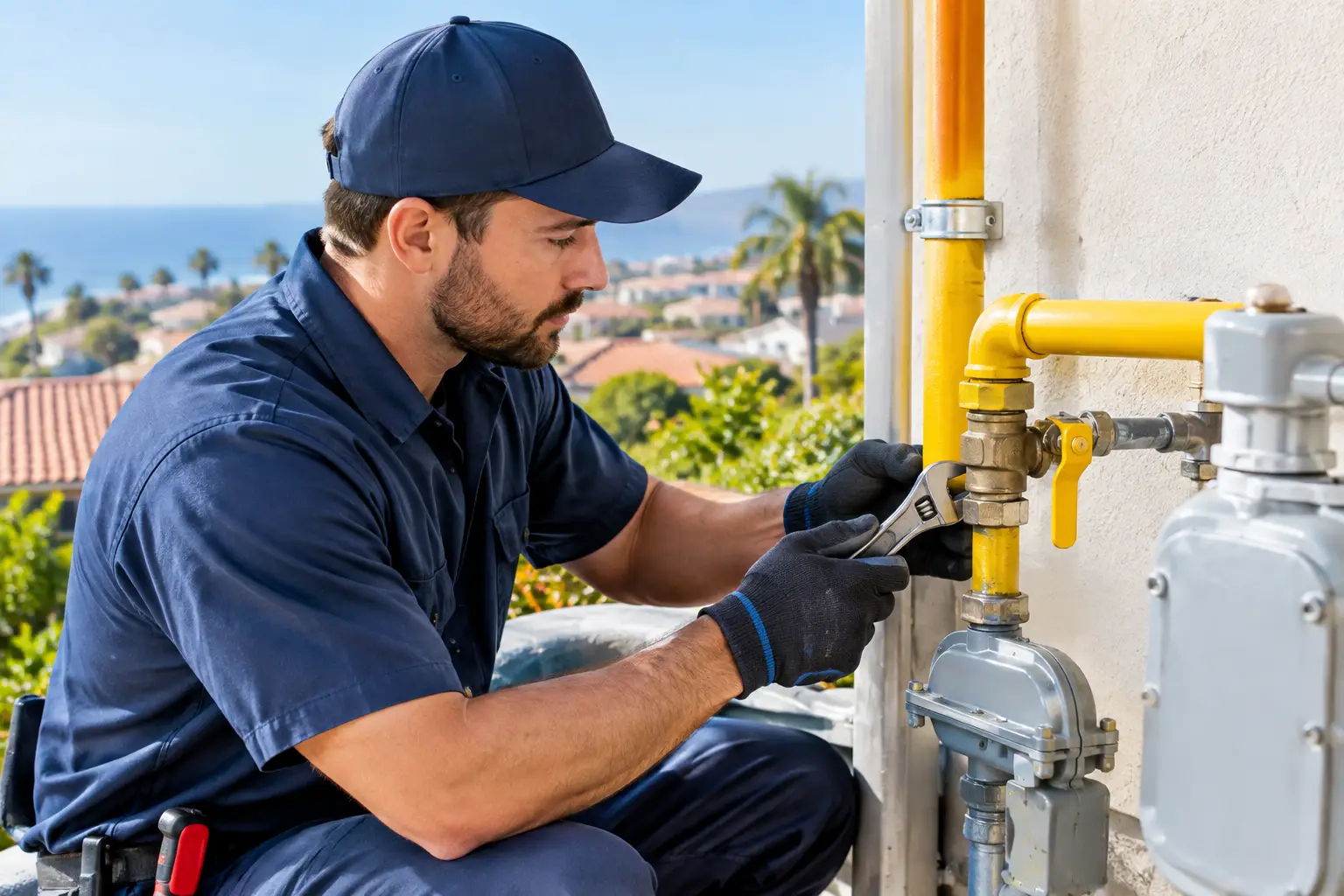
A gas line is easy to overlook when everything is working. It sits behind walls, beneath floors, or runs quietly to an appliance, delivering fuel without drawing attention. That is exactly why a practical gas piping safety guide matters. Small warning signs can point to a serious issue, and the right response protects the people in your home, your building, and your property.
Natural gas systems are reliable when installed and maintained correctly. But damaged fittings, aging pipe, improper appliance connections, corrosion, or unapproved modifications can create risks that should never be handled casually. Homeowners, landlords, and property managers do not need to become gas piping experts. They do need to know what to watch for and when licensed professional work is the right call.
Know the Warning Signs of a Gas Piping Problem
The most familiar warning sign is the smell of sulfur or rotten eggs. Utility companies add this odor to natural gas so leaks are easier to detect. If you notice that smell indoors, near a gas meter, or around an appliance, take it seriously.
Other signs can be less obvious. A hissing or whistling sound near exposed piping, a gas appliance that repeatedly shuts off, yellow or unstable burner flames, dead or discolored vegetation near an outdoor gas line, or unexplained symptoms such as dizziness and nausea may warrant prompt attention. Symptoms alone do not confirm a gas leak, but they should not be ignored when they occur alongside appliance or odor concerns.
If you suspect a leak, do not operate light switches, use matches or lighters, start vehicles nearby, or use devices that could create a spark in the affected area. Leave the building, keep others away, and contact the gas utility or 911 from a safe location. Do not return until the appropriate authorities say it is safe.
What Homeowners Should Never Do Themselves
There is a difference between basic awareness and do-it-yourself gas work. Homeowners can keep appliance areas accessible, watch for warning signs, and schedule inspections when something seems off. They should not disconnect, extend, cap, pressure-test, or repair gas piping on their own.
Even a repair that looks simple can involve pipe sizing, approved materials, sealing methods, shutoff valve placement, combustion requirements, and pressure testing. A mistake may not show up immediately. A poorly sealed connection can leak slowly, while undersized piping may affect appliance performance when several fixtures operate at once.
The same caution applies to renovations. Adding a gas range, dryer, fireplace, pool heater, outdoor kitchen, or tankless water heater may require changes to the existing gas system. It is not enough to confirm that a pipe reaches the new appliance. The entire system may need to be evaluated for capacity, routing, ventilation clearances, permits, and local code requirements.
Gas Piping Safety Guide: Check the Areas You Can See
You should not touch or alter gas piping, but a simple visual check can help you identify conditions worth reporting. Look at exposed pipes in garages, utility rooms, side yards, and near gas appliances. They should be protected from physical damage and should not be supporting shelves, tools, hoses, or other weight.
Pay attention to visible rust, flaking, dents, loose supports, or connections that appear disturbed. Outdoor piping can be especially vulnerable to corrosion, impact from landscaping equipment, or damage during construction work. A pipe that was safe when installed can become compromised years later because of weather, shifting soil, accidental contact, or unauthorized changes.
Keep the area around the gas meter and shutoff accessible. Do not build enclosures around it, stack storage against it, or allow dense plants to block access. Your utility may have specific clearance rules, so ask before making landscaping or exterior improvements around gas equipment.
For commercial properties, regular walkthroughs are particularly useful. Restaurants, apartment buildings, hotels, schools, and retail facilities may have multiple gas-fired appliances and more complex piping. A written maintenance record helps property teams track inspections, repairs, appliance changes, and recurring concerns before they become larger disruptions.
Understand the Role of Shutoff Valves
Gas shutoff valves are designed to stop fuel flow to an appliance or, in some cases, the building. Knowing where they are located can be useful, but operating them is not always the correct first step during a suspected leak. If there is a strong gas odor or an immediate safety concern, leaving the area and calling the gas utility or 911 comes first.
A licensed plumbing professional can identify the shutoff valves serving your system, explain their purpose, and verify that they are accessible and functional. This is valuable after a purchase, during a remodel, or when taking responsibility for a rental or commercial property.
Do not assume every valve serves the same purpose. An appliance shutoff, a meter shutoff, and a building isolation valve can have different roles. Turning the wrong valve or trying to restore gas after it has been shut off can create additional problems. Follow utility instructions and leave restoration or repairs to qualified professionals.
Safe Appliance Connections Matter Just as Much
Many gas concerns start at the appliance connection rather than in the main line. Ranges, dryers, water heaters, furnaces, fireplaces, and outdoor equipment need the correct connector, shutoff valve, and clearance for their specific use.
Flexible connectors are not universal. They have installation limits and are not meant to be reused indefinitely or routed through walls, floors, or ceilings. A connector can also be damaged if an appliance is moved for cleaning, flooring replacement, or remodeling. If a range has been pulled away from the wall, a dryer has been relocated, or a water heater has been replaced, have the connection checked rather than assuming it is still secure.
Combustion quality also matters. A properly functioning gas appliance generally has a steady blue flame. Yellow, flickering, or sooty flames can indicate incomplete combustion, burner contamination, ventilation problems, or an appliance issue. The cause may not be the gas piping itself, but it still calls for professional evaluation.
Plan Ahead Before Digging or Remodeling
One of the most preventable gas line hazards is accidental damage during outdoor work. Fence posts, drainage projects, tree planting, patio work, and irrigation installation can all disturb buried utilities. Before digging, contact 811 so underground utilities can be marked. Do not rely on old plans, visible meters, or assumptions about where a line runs.
Indoor remodels deserve the same level of care. Walls and ceilings can contain gas piping, particularly near kitchens, laundry rooms, fireplaces, and mechanical equipment. Contractors should identify utilities before cutting, drilling, or opening framing. If you are hiring for a renovation, ask who is responsible for permits, gas line modifications, inspections, and final testing.
In Orange County, permitting requirements can vary by city and by the scope of work. A licensed contractor can help determine what applies to your project and complete work that meets current requirements rather than relying on a previous installation as the standard.
When a Professional Inspection Is Worth Scheduling
A gas piping inspection is a sensible step after purchasing an older property, before a major kitchen or backyard upgrade, after earthquake-related shifting, or whenever an appliance connection has been disturbed. It can also be worthwhile when tenants report intermittent odors, appliance performance changes, or recurring pilot and ignition concerns.
During an inspection, a qualified professional can assess visible pipe condition, connections, shutoff valves, appliance supply lines, and potential capacity issues. Depending on the concern and the work being performed, testing may be needed to verify the system holds pressure and does not leak. The exact approach depends on the property, the age of the system, and whether new appliances are being added.
For landlords and facility managers, consistent documentation is part of good risk management. Keep records of inspections, permits, repairs, appliance replacements, and tenant reports. Clear records make future maintenance easier and show that safety concerns were addressed responsibly.
Lenora Plumbing provides licensed, bonded, and insured gas line evaluation and repair for Orange County properties. A qualified technician can diagnose the issue, explain the recommended work in plain language, and provide transparent pricing before repairs move forward.
Gas piping is not an area for guesswork. When something looks damaged, smells unusual, or no longer performs as expected, treat that concern as a reason to get a professional assessment and protect the people who rely on your property every day.
Need help with a plumbing problem?
Speak directly with Lenora Plumbing about service for your Orange County home or business.
Call (949) 992-7410