
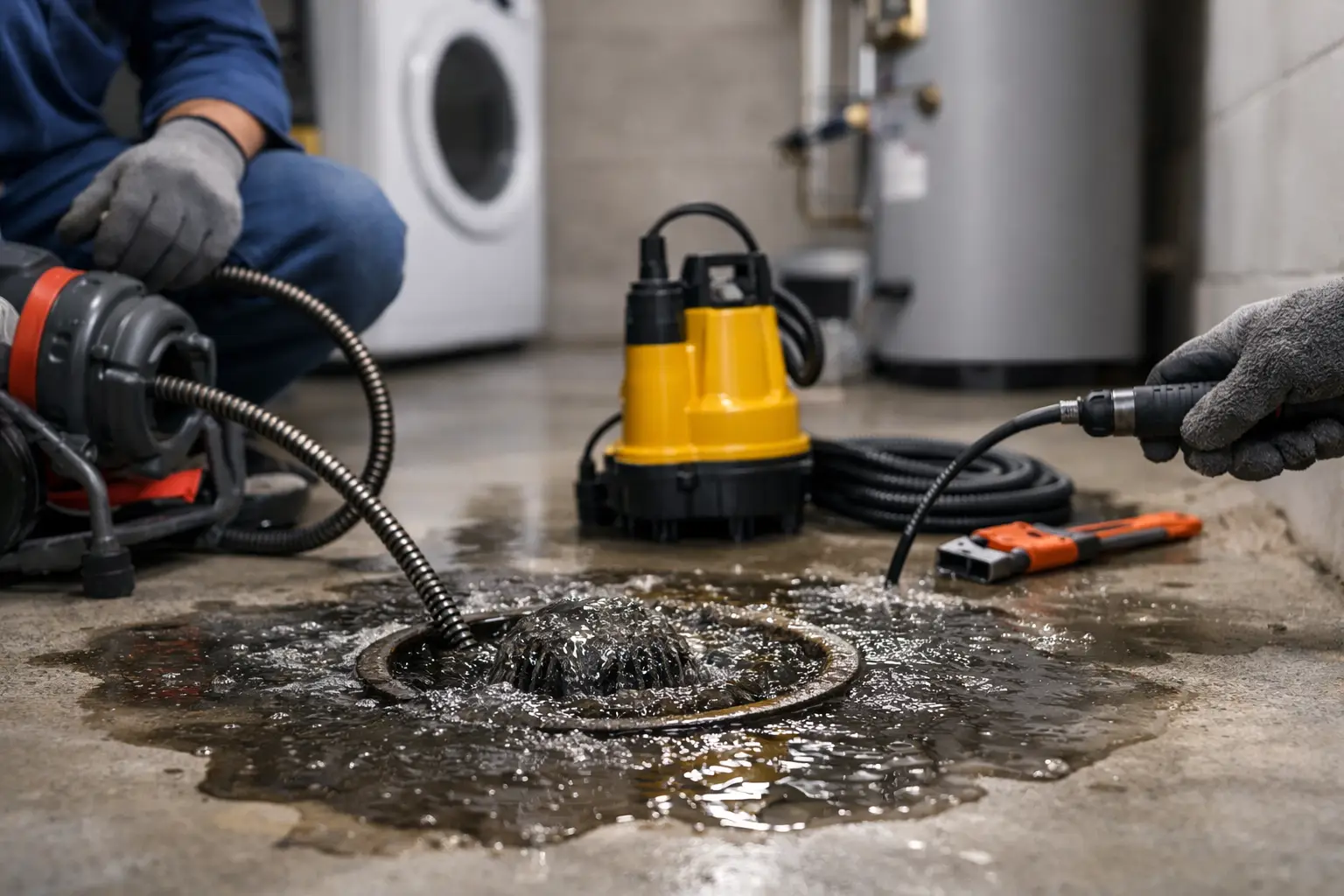
A sewer backup rarely starts with a dramatic warning. It may begin with a toilet that bubbles when the washing machine drains, a shower that empties slowly, or an unpleasant sewer odor near a floor drain. Knowing how to prevent sewer backups helps protect your home, rental property, or business from contaminated water, damaged flooring, and costly cleanup.
The best prevention is a combination of daily drain habits, regular maintenance, and early professional diagnosis. In Orange County, tree roots, aging sewer laterals, grease buildup, and heavy water use can all put pressure on a property’s drainage system. A small issue caught early is usually far less disruptive than a full sewer overflow.
Know the Difference Between a Clog and a Sewer Backup
A single slow sink often points to a localized drain clog. When several fixtures act up at once, the problem may be farther down the line. For example, if flushing a toilet causes water to rise in the shower or bathtub, the main sewer line may be restricted.
Other warning signs include gurgling drains, water backing up into a tub or shower, repeated toilet clogs, sewage smells, or wet areas near the sewer cleanout. Do not ignore these symptoms because wastewater can carry bacteria and cause significant property damage. Avoid running more water until the cause is identified.
A city sewer main can occasionally be the source of a backup, but homeowners are commonly responsible for the private sewer lateral between the building and the public connection. A licensed plumber can inspect the line and help determine where the blockage or damage is located.
How to Prevent Sewer Backups With Better Drain Habits
The easiest way to reduce sewer problems is to control what enters your plumbing. Toilets are designed for human waste and toilet paper only. Products labeled “flushable” can still collect in pipes, snag on roots, or contribute to a blockage farther down the system.
Keep wipes, paper towels, cotton swabs, dental floss, feminine hygiene products, diapers, and cat litter out of the toilet. These materials do not break down like toilet paper, and they can create stubborn clogs in both residential and commercial restrooms.
Kitchen drains deserve the same attention. Grease may look harmless while it is warm, but it cools and sticks to pipe walls. Over time, grease traps food debris and can narrow a drain or sewer line. Let cooking oil and grease cool in a container, then dispose of it in the trash. Use sink strainers to catch food scraps, coffee grounds, and other solids before they reach the drain.
Garbage disposals are useful, but they are not built to handle every kitchen leftover. Fibrous vegetables, bones, large amounts of rice or pasta, eggshells, and coffee grounds are better placed in the trash or compost bin. A little prevention at the sink can keep a larger drain cleaning problem from developing.
Protect the Sewer Line Outside Your Property
Many sewer line issues begin underground, where they are easy to miss until water backs up inside. Roots naturally seek moisture, and even a small crack or loose sewer connection can attract them. Older homes may have clay, cast iron, or aging pipe materials that are more vulnerable to cracking, corrosion, shifting soil, and root intrusion.
Be thoughtful before planting trees or large shrubs near the path of a sewer lateral. Root growth depends on the plant type, soil conditions, and the existing pipe condition, so there is no one safe distance for every property. If mature trees are already nearby, periodic camera inspections can show whether roots are entering the line before they create a complete blockage.
Construction and landscaping also deserve planning. Heavy equipment, new patios, retaining walls, and grade changes can affect buried piping. Before beginning a major project, confirm the location and condition of sewer lines. This is especially useful for property managers and contractors coordinating renovations, tenant improvements, or additions.
Schedule Maintenance Before an Emergency Happens
A sewer camera inspection gives a clear view of the inside of the line. It can reveal roots, grease accumulation, scale, cracks, separated joints, bellies where water and debris collect, or a collapsed section of pipe. Camera work is not necessary for every home every year, but it is a smart investment when a property has recurring clogs, mature trees, older piping, or a history of sewer backups.
Professional drain cleaning can remove buildup and roots from a functioning but restricted line. The right method depends on the pipe material and the problem. Mechanical cabling may clear a blockage, while hydro jetting can thoroughly remove grease and debris in appropriate lines. Aggressive cleaning is not automatically the best choice for damaged or fragile pipe, which is why inspection and experienced diagnosis matter.
For many homes, maintenance every one to two years may be reasonable if there is a known root issue or repeated slow drainage. A newer home with no symptoms may need less frequent service. Commercial kitchens, multifamily properties, hotels, schools, and other high-use facilities often benefit from a scheduled maintenance plan because a shutdown can affect many people at once.
Consider a Sewer Backwater Valve
A backwater valve is designed to help stop sewage from flowing backward into a building when the public sewer becomes overloaded. It can be particularly valuable for properties with bathrooms, laundry rooms, or floor drains below street level. During heavy rain or a municipal sewer surcharge, these lower fixtures are often at greater risk.
A backwater valve is not a substitute for keeping the private sewer line clear. It also needs proper installation and maintenance. Some models have moving parts that must remain accessible and free of debris. If the valve closes during a surcharge, water from inside the building may not be able to drain until the condition clears, so homeowners should understand how the system works before relying on it.
A licensed plumbing professional can evaluate your property’s layout, local requirements, and existing drainage conditions to determine whether a backwater valve makes sense.
What to Do When You See Warning Signs
If multiple drains are slow, gurgling, or backing up, stop using water fixtures right away. Do not flush toilets, run the dishwasher, start a load of laundry, or take a shower. More water can turn a developing blockage into an overflow.
If sewage is already coming up through a drain, keep people and pets away from the affected area. Wear appropriate protection if you must enter the space, and do not attempt to clear a main-line blockage with chemical drain cleaners. These products rarely solve a sewer-line obstruction and can create hazards for anyone working on the plumbing later.
Locate the sewer cleanout only if it is safe and you know what you are doing. Opening a pressurized cleanout can release wastewater quickly. It is generally safer to call for professional help, especially when there is standing sewage, a suspected broken pipe, or a backup affecting several fixtures.
Prevention Is Property Protection
Sewer backups are disruptive, but they are often preventable. Keep solid waste and grease out of drains, pay attention to changes in how fixtures drain, and address recurring problems before they become emergencies. For older Orange County properties or buildings with mature landscaping, an inspection can replace guesswork with a clear plan.
Lenora Plumbing provides licensed, bonded, and insured sewer line diagnosis, drain cleaning, camera inspections, and emergency plumbing support for homeowners and property professionals. If your drains are giving early warning signs, arranging service now can help protect your property, your schedule, and the people who rely on your plumbing every day.
Need help with a plumbing problem?
Speak directly with Lenora Plumbing about service for your Orange County home or business.
Call (949) 992-7410