
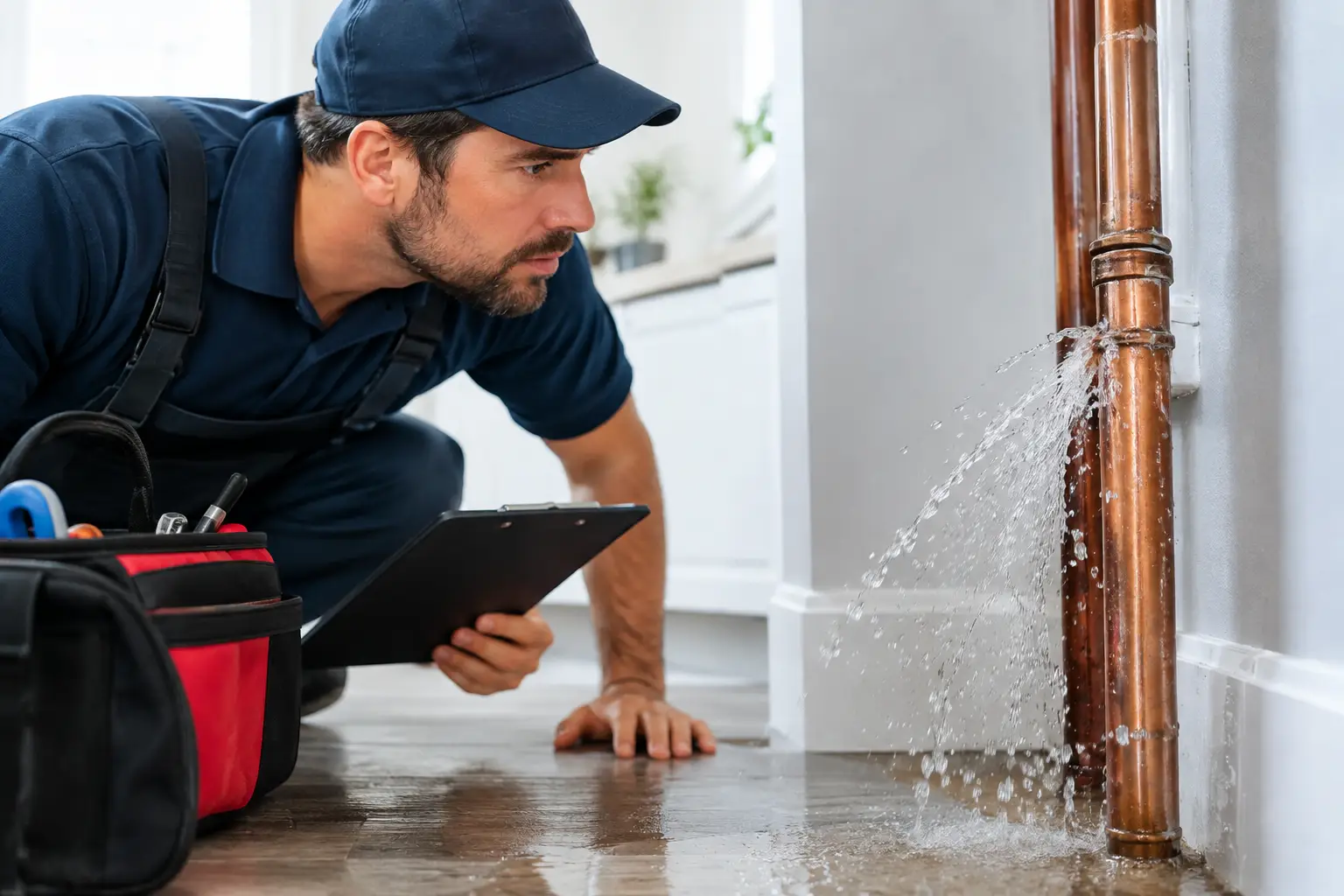
A pipe can burst behind a wall, under a sink, or in an attic without much warning. The first questions are usually practical: How do I stop the water, who can repair it, and does insurance cover burst pipes? In many cases, a standard homeowners policy may cover sudden and accidental water damage from a burst pipe. But coverage is not automatic, and the reason the pipe failed can matter as much as the water damage itself.
A prompt, professional plumbing diagnosis helps protect the property and gives you clear documentation for the next step. For Orange County homeowners, landlords, and property managers, acting quickly can also limit damage to drywall, flooring, cabinets, electrical components, and personal belongings.
Does Insurance Cover Burst Pipes in a Home?
Homeowners insurance commonly covers the resulting water damage when a pipe suddenly bursts due to a covered event. For example, if a supply line ruptures unexpectedly and water damages a bathroom vanity, nearby flooring, and the ceiling below, the policy may help pay for drying, removal of damaged materials, and restoration, subject to your deductible and policy limits.
The pipe repair itself is different. Insurance often pays for the damage caused by the water, but not always for replacing the failed section of pipe or correcting the underlying plumbing condition. If an old, corroded pipe fails, an insurer may view replacement of that worn pipe as a maintenance cost, even if the resulting water damage is covered.
The exact answer depends on your policy language, endorsements, deductible, the source of the water, and whether the loss was sudden or developed over time. Review your declarations page and contact your insurer directly before assuming a particular repair is covered.
The Difference Between Sudden Damage and Wear and Tear
Insurance is designed for unexpected losses, not routine upkeep. That distinction drives many burst-pipe claims.
A sudden rupture can be easier to support as a covered loss. A pipe that has been slowly leaking inside a wall for months may be treated differently, particularly if staining, mold, warped flooring, or unusually high water bills suggested an ongoing issue. Insurers may deny some or all of a claim tied to gradual leakage, corrosion, neglect, or deferred maintenance.
This does not mean you should ignore a suspected leak because you are uncertain about coverage. Waiting can turn a manageable plumbing repair into a much larger restoration project. A licensed plumber can locate the source, stop the active leak, identify whether a pipe, fitting, valve, appliance connection, or drain line is involved, and explain what needs to be repaired.
What Damage May Be Covered After a Pipe Bursts?
When coverage applies, a homeowners policy may help with the consequences of the water release. This can include water extraction, drying equipment, damaged drywall, insulation, flooring, baseboards, cabinets, and certain personal property. It may also cover reasonable steps taken to prevent additional damage after the loss.
Coverage has limits. High-value items may have separate limits, and mold coverage can be restricted or require an endorsement. If the home cannot safely be occupied during covered restoration work, some policies include additional living expense coverage. That is a policy question for your insurance representative or claims adjuster.
For landlords and commercial property owners, the policy structure is often different. A landlord policy, commercial property policy, or business owners policy may address building damage, but tenant belongings, lost income, and operational interruption can involve separate provisions. Property managers should also check lease responsibilities, maintenance records, and vendor documentation before making decisions about repairs.
Common Reasons a Burst-Pipe Claim May Be Denied
A denial does not always mean the entire loss is excluded, but these situations often create coverage problems. Understanding them can help homeowners maintain their plumbing and respond carefully when damage occurs.
- Gradual leaks that were present over an extended period
- Corrosion, rust, aging pipes, or ordinary wear and tear
- Poor maintenance or a known problem left unrepaired
- Water damage caused by a sewer or drain backup without the required endorsement
- Damage related to vacant-home conditions or failure to maintain heat during cold weather
California homes face their own plumbing challenges. Older properties may have aging galvanized steel, copper pinhole leaks, deteriorated supply lines, or pipes affected by hard water. Homes built on slab foundations can also develop concealed leaks beneath the concrete. A claim may focus closely on whether the event was sudden and accidental or the predictable result of a long-standing condition.
What to Do First When a Pipe Bursts
Start by stopping the water if it is safe to do so. Shut off the fixture valve when the leak is isolated to a toilet, sink, or appliance connection. If water is spreading or you cannot identify the fixture shutoff, turn off the main water supply to the property.
Next, move valuables away from wet areas and avoid using electrical outlets, appliances, or switches near standing water. Take clear photos and video of the affected rooms, the visible source of the leak, damaged materials, and personal items. Keep receipts for reasonable mitigation work and make notes about when you discovered the issue.
Then arrange for a licensed plumber to inspect and repair the plumbing failure. Do not remove damaged pipe sections or discard failed parts until your insurer confirms whether it needs to inspect them. In some cases, the pipe or fitting can help show what caused the failure.
Once the active water source is controlled, report the loss to your insurer. Give accurate facts, but avoid guessing about the cause before a plumber has examined the system. Ask your insurer what documentation it needs, whether it requires an inspection, and whether it has procedures for water mitigation and restoration.
Why a Professional Plumbing Report Helps
A clear plumbing report can be valuable whether you decide to file a claim or pay for repairs directly. It can document the location of the failure, the pipe material, visible condition, likely cause, repairs performed, and recommendations for preventing another failure.
This information also helps distinguish a failed pipe from a drain backup, appliance leak, roof intrusion, or slab leak. Those issues may be handled differently by an insurance policy and require different repair methods. Accurate diagnosis protects you from authorizing the wrong repair or leaving a hidden problem behind.
Lenora Plumbing provides practical diagnosis and quality plumbing repairs for homeowners and property professionals who need clear answers, fair prices, and licensed workmanship. A durable repair should address the actual failed component, not simply cover up the visible water damage.
How to Reduce the Risk of Another Burst Pipe
No plumbing system is completely free from risk, but preventive maintenance can reduce the chance of a major water loss. Watch for small warning signs such as recurring cabinet moisture, unexplained increases in water bills, discolored walls, low water pressure, banging pipes, or frequent fixture leaks.
Older supply lines, shutoff valves, water heater connections, and exposed piping deserve particular attention. Replacing deteriorated components before they fail may not be an insurance-covered expense, but it can be far less costly than repairing water damage throughout the home. For rental and commercial properties, documented inspections and timely repairs also show that the property has been responsibly maintained.
A burst pipe is disruptive, but the next steps do not have to be confusing. Shut off the water, document what you see, get the plumbing issue properly diagnosed, and speak with your insurer about the specific terms of your policy. Fast, informed action gives you the best chance to limit damage and make sound decisions for your property.
Need help with a plumbing problem?
Speak directly with Lenora Plumbing about service for your Orange County home or business.
Call (949) 992-7410