
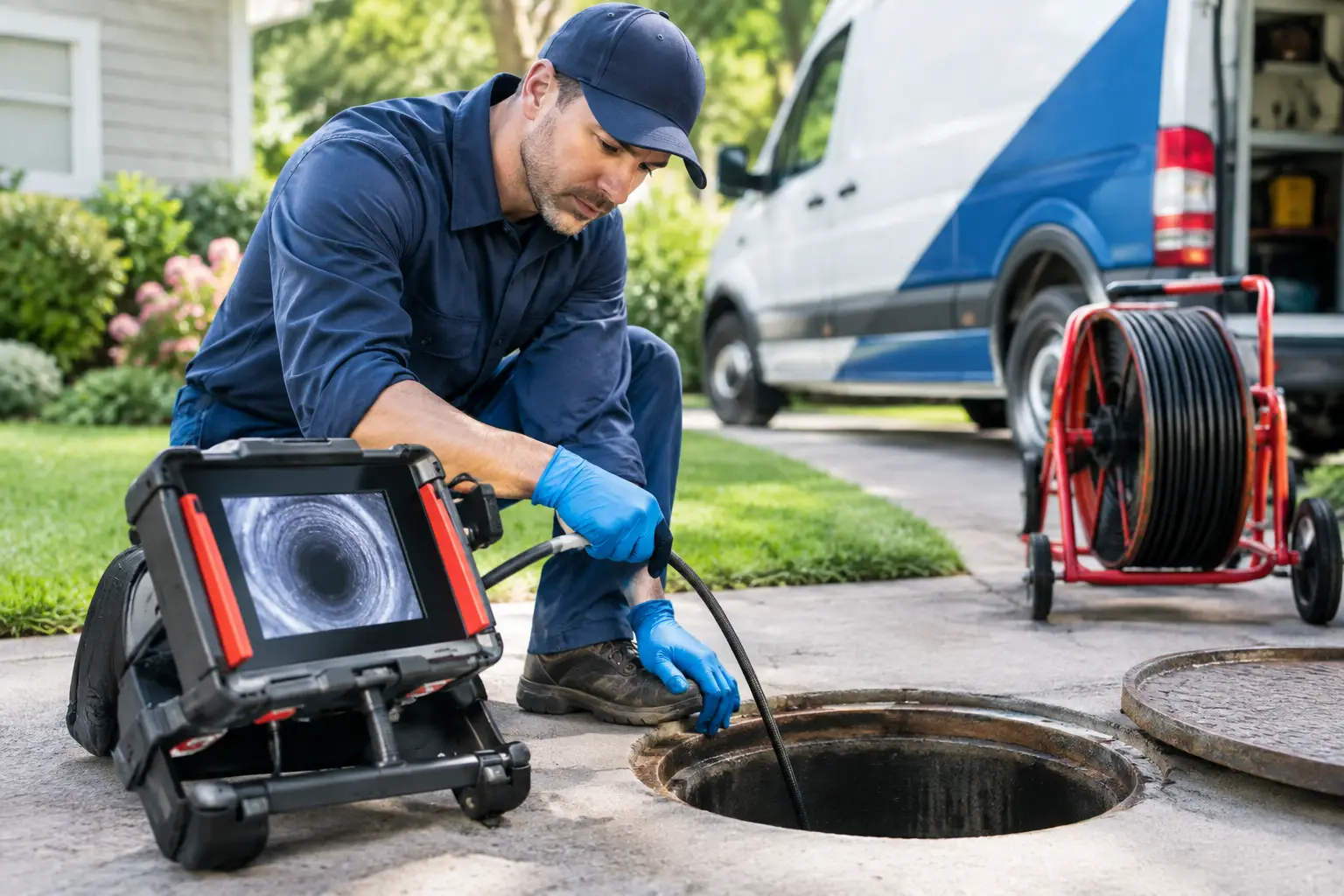
A sewer problem rarely starts with a dramatic backup. More often, it begins with a toilet that gurgles after flushing, a shower drain that slows down for no clear reason, or a faint sewage odor outside. Recognizing these early warnings can make sewer repair less disruptive, less expensive, and far easier to plan around.
For Orange County homeowners, landlords, and property managers, the goal is not simply to get water moving again. It is to identify what is happening inside or around the sewer line, choose a repair that fits the condition of the pipe, and protect the property for the long term.
Signs Your Property May Need Sewer Repair
A single slow drain is often limited to that fixture or its nearby drain line. When several fixtures drain slowly at the same time, the issue may be farther down the system. Pay attention when toilets, tubs, showers, and sinks begin acting differently together, especially if flushing one fixture causes water to rise in another.
Recurring clogs are another warning. A drain may clear temporarily after basic cleaning, but repeated blockages can point to a damaged, offset, sagging, or root-filled sewer line. Store-bought chemical drain products are not a dependable answer for these problems. They can damage certain pipes, create hazards during service, and do nothing to correct a broken line underground.
Look outside as well. Soft, unusually green patches of lawn, standing water near the sewer route, soil that has sunk, or persistent odors can signal a leak below ground. Inside the building, unexplained moisture near a slab, moldy smells, or sewage odors deserve prompt attention. Sewer water can damage finishes and create unhealthy conditions, so this is not a repair to postpone.
What Causes Sewer Line Failures?
Sewer lines work quietly for years, which can make a failure feel sudden. In reality, most line problems develop over time. Tree roots naturally seek moisture and can enter small openings at pipe joints or cracks. Once inside, roots catch paper and debris, gradually restricting flow until a blockage develops.
Age and pipe material also matter. Older homes may have clay, cast iron, Orangeburg, or other materials that are more vulnerable to corrosion, cracking, collapse, or joint separation. Ground movement, construction activity, heavy vehicle traffic, and shifting soil can change a pipe’s slope or break a section. Even a well-installed line can be affected by years of movement beneath a property.
Grease, wipes, hygiene products, and excessive paper can compound an existing problem. These materials may pass through a healthy line, but they tend to catch where a pipe is rough, cracked, invaded by roots, or partially collapsed. That is why a recurring clog should be investigated rather than treated as a routine drain issue.
A Camera Inspection Changes the Conversation
The right repair begins with an accurate diagnosis. A professional sewer camera inspection allows a technician to view the inside of the line, locate the affected area, and determine whether the issue is buildup, roots, a crack, a separated joint, or a collapsed section.
This inspection also helps distinguish between a line that needs thorough cleaning and one that needs repair or replacement. Without that information, a property owner may spend money repeatedly clearing a blockage that will return because the pipe itself is compromised. A clear diagnosis supports fair pricing because the recommended work is tied to the actual condition of the sewer line.
Sewer Repair Options Depend on the Pipe Condition
There is no one repair method that fits every sewer problem. The best approach depends on the pipe material, damage location, access, depth, surrounding landscaping, and whether the line can still support a trenchless repair. A qualified plumber should explain the options in plain language before work begins.
Cleaning and Root Removal
If the pipe is structurally sound, professional drain cleaning or hydro jetting may restore proper flow by removing roots, grease, scale, and accumulated debris. This can be a practical solution for maintenance or for a first-time blockage in an otherwise healthy line.
However, cleaning is not a permanent repair for broken pipe sections or severe root intrusion through failing joints. If roots have a reliable entry point, they will usually return. The camera findings should guide whether cleaning is enough or whether the damaged section needs attention.
Spot Repair
A localized excavation and pipe replacement can make sense when damage is limited to one accessible area. For example, a single cracked section, a separated joint, or a small collapse may be repaired without replacing the entire line.
Spot repair can be cost-effective, but it is worth considering the overall age and condition of the remaining pipe. Repairing one failure in a deteriorating older line may solve the immediate issue while leaving other weak areas in place. A trustworthy recommendation accounts for both the current problem and the likely lifespan of the rest of the system.
Trenchless Sewer Repair
Trenchless methods can repair or replace certain sewer lines with less excavation than traditional digging. Depending on the situation, this may involve lining an existing pipe or pulling a new pipe through the old route. It can be especially useful when the sewer line runs beneath landscaping, concrete, driveways, or other difficult-to-disturb areas.
The trade-off is that trenchless work is not suitable for every pipe. A line with major collapse, severe misalignment, or poor access may still require excavation. It may also cost more upfront than a simple exposed repair, although avoiding restoration of hardscape or landscaping can change the total value considerably.
Full Sewer Line Replacement
When a line has widespread corrosion, repeated failures, extensive root damage, or multiple damaged sections, full replacement may be the most durable choice. Replacing the line can reduce the cycle of repeated cleaning and patch repairs while providing a new, reliable connection for the property.
This is a larger project, so planning matters. Property owners should understand the proposed route, pipe material, access requirements, restoration expectations, permitting needs, and how long affected plumbing fixtures may be unavailable. For commercial properties and multifamily buildings, the service plan should also consider tenants, customers, operating schedules, and sanitation needs.
What Affects Sewer Repair Cost?
Sewer repair costs vary because the work is highly site-specific. The location and depth of the line are major factors. A pipe under open soil is generally easier to reach than one beneath a foundation, patio, driveway, mature landscaping, or a building addition.
The extent of damage matters just as much. Clearing roots from a sound pipe is different from repairing a collapsed line. Costs can also be affected by pipe length, material, permits, restoration work, accessibility, and whether the repair requires specialized trenchless equipment.
Be cautious of quotes that promise a solution before the line has been properly inspected. A transparent estimate should identify the diagnosis, the recommended scope of work, and the reason that option is appropriate. The lowest price is not always the best value if it leaves a structural problem unresolved.
How to Protect Your Sewer Line After Repairs
After the repair is complete, good habits can help extend the life of the system. Keep grease, wipes, paper towels, and hygiene products out of drains and toilets. Monitor large trees near the sewer route, particularly if the property has an older line. If a camera inspection found early root activity or aging pipe materials, scheduled maintenance may prevent a blockage from becoming a larger repair.
For landlords and commercial property managers, clear guidance for residents, employees, and tenants is useful. Many sewer clogs are preventable when people understand what should not go down a drain. Maintaining inspection records and repair documentation can also help with future planning, renovations, and property transactions.
Lenora Plumbing provides licensed, bonded, and insured sewer line diagnosis and repair for properties across Orange County, with practical recommendations based on the condition of the line and the needs of the property. When drains start sending repeated warnings, acting early gives you more repair options and more control over the outcome.
Need help with a plumbing problem?
Speak directly with Lenora Plumbing about service for your Orange County home or business.
Call (949) 992-7410