
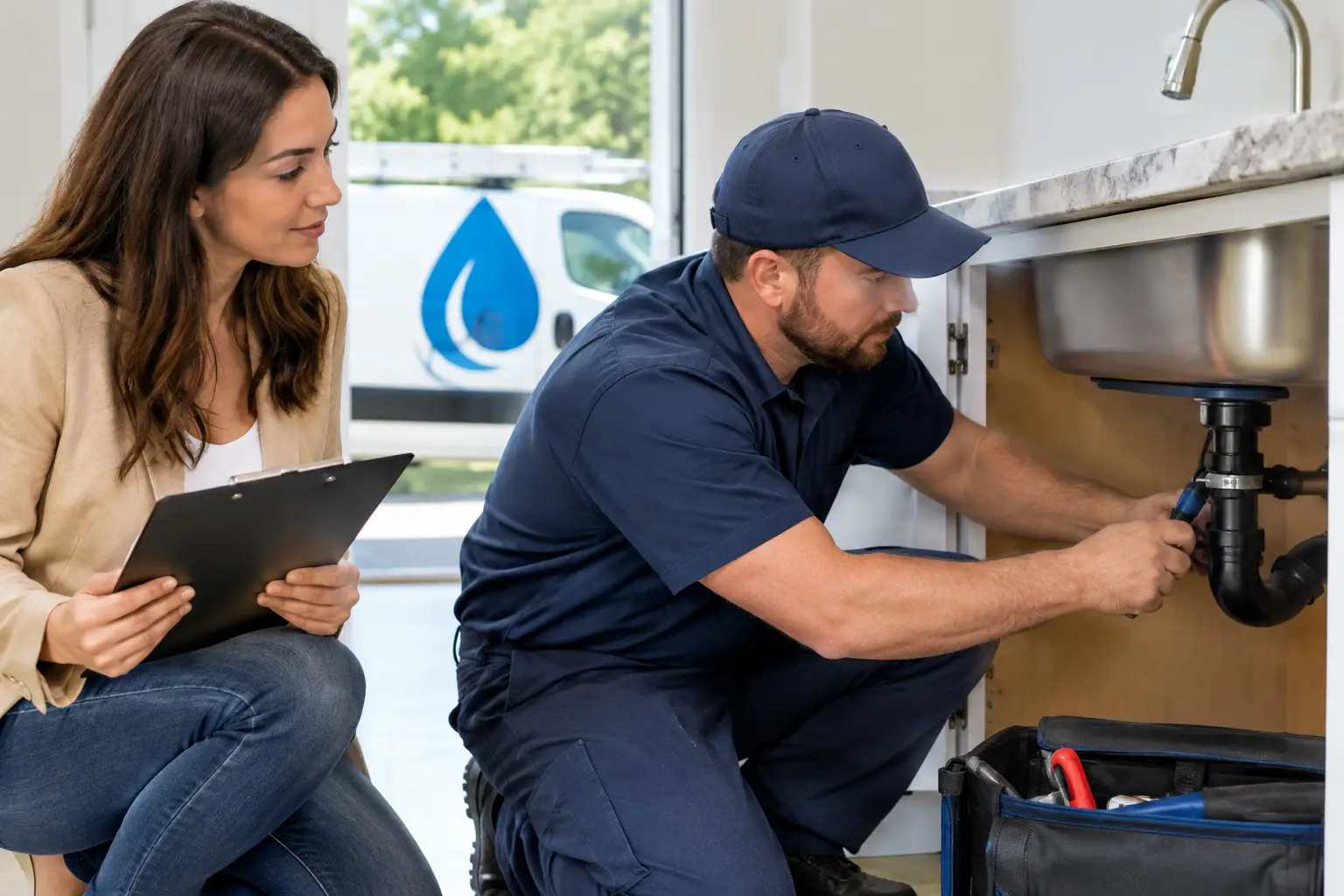
A dripping toilet, a slow kitchen drain, or a damp cabinet can look minor during a quick turnover walk-through. In a rental, those small clues can become damaged flooring, tenant complaints, mold concerns, and a much larger repair bill. This rental property plumbing checklist helps landlords and property managers identify trouble early, document conditions, and make smart repair decisions before water reaches places it should not.
For Orange County rentals, regular plumbing checks also help protect a property’s value in a market where water costs, aging pipe materials, and hard-working fixtures can all affect operating expenses. The goal is not to turn a landlord into a plumber. It is to know what to inspect, what to record, and when licensed professional work is the safer choice.
When to Use This Rental Property Plumbing Checklist
Use the checklist at three key points: before a new tenant moves in, during scheduled property inspections, and after a tenant reports a plumbing concern. A vacant-unit inspection gives you the clearest view because cabinets, bathrooms, and appliance connections are accessible. It is also the best time to address worn supply lines, slow drains, or loose fixtures without disrupting a household.
For occupied properties, establish a reasonable inspection schedule that follows your lease terms and California notice requirements. Older homes, properties with mature trees, and buildings with a history of drain or leak issues may need closer attention. Newer units still benefit from routine checks because installation defects and failed components do not always announce themselves right away.
Keep a dated record of what was checked, what was repaired, and what tenants reported. Photos of under-sink areas, water heaters, and visible pipes can be useful for comparing conditions over time.
Start With the Water Meter and Main Shutoff
Before checking individual rooms, locate and clearly label the main water shutoff valve. Landlords, managers, and tenants should know where it is and how to operate it. A shutoff valve that is buried, stuck, or unknown can turn a manageable leak into widespread water damage.
With all faucets, ice makers, and water-using appliances turned off, check the water meter’s leak indicator if the meter has one. Movement can suggest a hidden leak. This test is not perfect because some properties have irrigation systems or other equipment that cycles automatically, but it is a useful first signal.
Also look at the water pressure. Excessive pressure can shorten the life of toilet fill valves, faucet cartridges, appliance hoses, and supply lines. Consistently low pressure may point to mineral buildup, a partially closed valve, a failing pressure regulator, or a larger pipe issue. A professional pressure test gives a more reliable answer than guessing based on one weak showerhead.
Inspect Kitchens and Laundry Connections
Kitchen plumbing receives daily use and is often hidden behind cabinets. Open the cabinet below the sink and look for moisture, water stains, swollen wood, mildew odors, corrosion, and loose fittings. Run both hot and cold water for a minute while watching the drain and supply connections.
A garbage disposal should run without unusual grinding, leaks, or repeated resets. Do not assume a slow disposal drain is only a disposal problem. Grease buildup, food debris, or a developing drain obstruction farther down the line may be involved.
At the dishwasher, inspect the supply connection, drain hose, and the floor around the unit. A small dishwasher leak can travel under flooring before anyone notices. If there is a refrigerator with an ice maker or water dispenser, inspect its supply line as well. Older plastic tubing and poorly secured connections deserve attention.
Laundry areas need an especially careful look. Check washing machine hoses for cracking, bulging, rusted fittings, and signs of rubbing against the wall. Confirm the drain standpipe is secure and that the washer does not cause water to spill or back up when it drains. Replacing aging rubber hoses with quality braided lines can be a practical preventive upgrade, but the installation should be appropriate for the appliance and connection.
Check Every Bathroom Fixture
Bathrooms combine frequent use with multiple water connections, so inspect every fixture rather than relying on a tenant’s report. Run the sink faucets, tub, and shower long enough to see whether water drains properly. Watch for dripping faucets, loose handles, inconsistent temperature, and water appearing around the base of fixtures.
Toilets deserve a closer test. Flush each toilet several times and listen after the tank refills. A toilet that continues to run can waste a surprising amount of water, while a weak or incomplete flush may indicate a drain issue, worn internal parts, or an incorrect water level. Look around the toilet base for moisture, staining, or movement. A rocking toilet can damage the seal below it and should be addressed promptly.
Check caulk and grout around tubs and showers. Failed caulking is not a pipe leak, but it allows water to enter wall cavities or flooring during normal use. Pay attention to peeling paint, soft drywall, or discoloration on the ceiling below a bathroom. Those signs may point to a shower valve, drain, toilet, or supply-line problem that is hidden from view.
Look for Hidden-Leak Warning Signs
Not every plumbing problem produces a puddle. Some of the most costly issues develop quietly behind walls, under slabs, or beneath floors. During each inspection, look and listen for changes that do not fit the property’s normal condition.
Warning signs include:
- Unexplained increases in water bills or meter movement when fixtures are off.
- Warm spots on a slab floor, damp carpet, or flooring that begins to lift or warp.
- Musty odors, recurring mildew, peeling paint, or stains on walls and ceilings.
- The sound of water moving when no fixture is running.
- Reduced water pressure, rusty water, or repeated pinhole leaks in older piping.
One sign does not always identify the cause. A stain may be from an old roof issue, and a weak faucet may be caused by a clogged aerator. Still, repeated or unexplained symptoms justify a professional inspection. Early leak detection can prevent structural damage and avoid needless replacement of finishes before the actual source is repaired.
Test Drains, Vents, and Sewer Line Performance
Slow drains are common, but they should not become the normal condition of a rental. Test sinks, tubs, showers, and floor drains. A single slow fixture may have a local blockage. Several slow fixtures, gurgling sounds, toilet bubbling, or water backing up in a tub when another fixture drains can point to a larger drain or sewer line concern.
Outdoor conditions matter too. Tree roots can enter aging sewer lines through joints or cracks. Older Orange County properties may have original lines that have settled, corroded, or accumulated scale over time. A camera inspection can show whether cleaning is likely to solve the problem or whether pipe repair or replacement should be considered.
Avoid repeated chemical drain cleaners as a long-term maintenance plan. They may not clear the real obstruction, can be hard on certain pipes and fixtures, and create a hazard for anyone who later opens the drain. A proper diagnosis is usually more cost-effective than treating the same slow drain again and again.
Review the Water Heater and Gas Connections
Inspect the water heater for rust, corrosion, dampness, unusual noises, and signs of leakage at the top connections or temperature and pressure relief valve discharge pipe. Confirm the area is clear of stored items and that access is not blocked. Water heaters have safety, venting, and code requirements that vary by setup, so repairs and replacements are not a do-it-yourself landlord project.
If the property has gas appliances, watch for damaged flexible connectors, corrosion, or appliance performance changes. Never try to locate a suspected gas leak with a flame or make a gas-line repair without qualified help. Gas piping requires specialized work and careful testing.
Set Clear Tenant Reporting Expectations
A well-maintained rental still depends on timely communication. Give tenants simple guidance on what to report: dripping or running water, slow or backed-up drains, water stains, low pressure, toilet movement, unusual odors, and any water where it does not belong. Ask them not to ignore a recurring issue just because it temporarily improves.
It also helps to clarify basic care responsibilities. Tenants should avoid flushing wipes, paper towels, hygiene products, or grease down drains. Landlords should respond to reported plumbing conditions with a documented plan and avoid placing repair decisions on assumptions. Clear communication protects the tenant experience and helps preserve the property.
Know When to Bring in a Licensed Plumber
Changing a faucet aerator or clearing visible hair from a stopper may be simple maintenance. Hidden leaks, recurring drain backups, sewer concerns, water heater issues, gas piping, pipe replacement, and repairs inside walls or slabs need professional diagnosis. The trade-off is straightforward: a small upfront inspection cost can prevent repeated tenant disruption and much larger restoration work.
For rental owners who need dependable documentation, clear repair recommendations, and fair pricing, Lenora Plumbing provides licensed, bonded, and insured plumbing service throughout Orange County. Ask for findings in plain language, along with repair options that distinguish a short-term fix from a durable solution.
A rental property is easier to manage when plumbing maintenance is planned rather than reactive. Keep this checklist with your turnover records, make room for regular inspections, and treat the first sign of unwanted water as useful information worth investigating.
Need help with a plumbing problem?
Speak directly with Lenora Plumbing about service for your Orange County home or business.
Call (949) 992-7410