
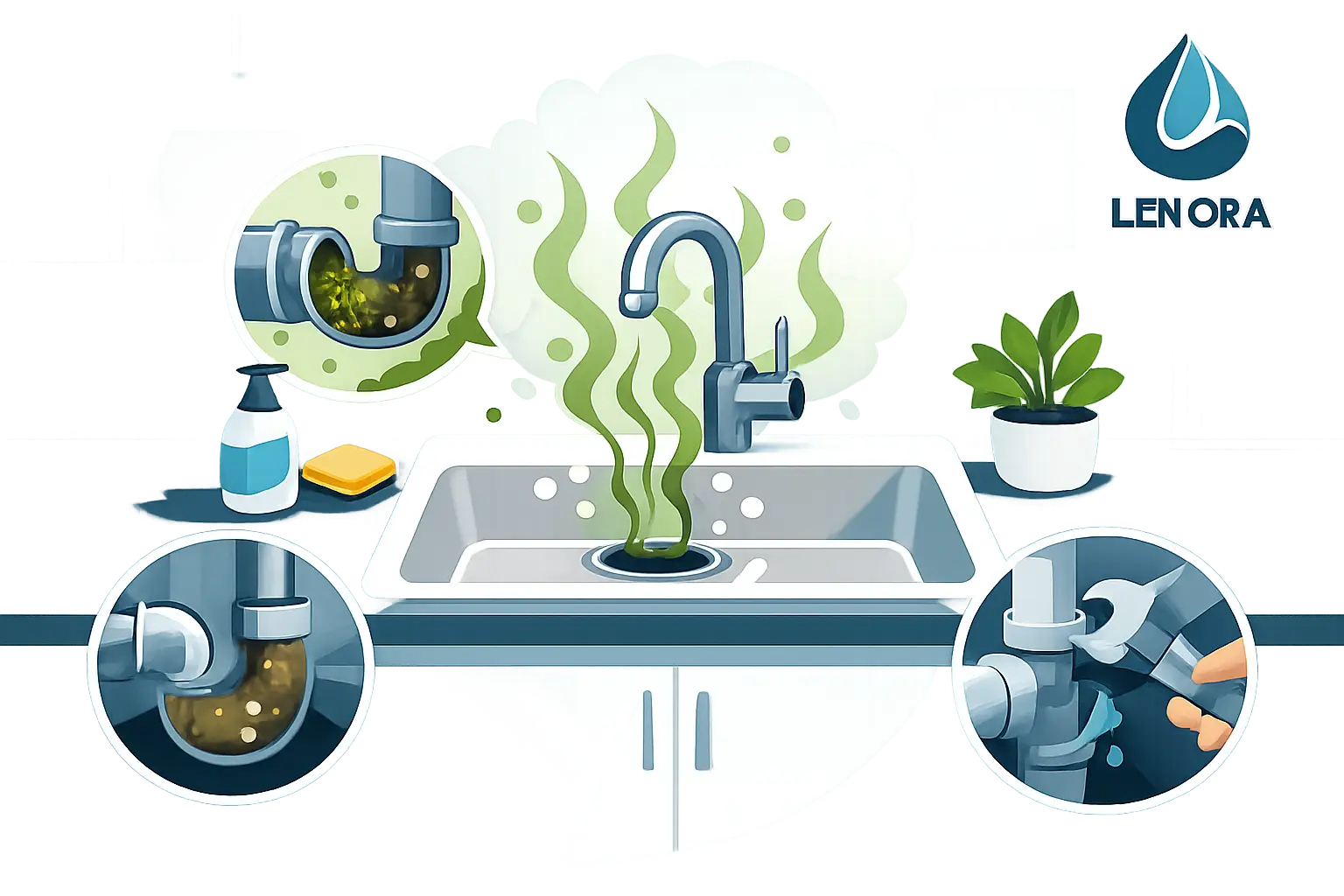
A sink odor can make an otherwise clean kitchen or bathroom feel unpleasant fast. If you are asking, “why does my sink smell,” the answer is usually close to the drain, not the sink itself. Food residue, soap buildup, a dry drain trap, or a developing drain problem can all send odors back into the room. The good news is that many smells have a simple cause. The important part is knowing when a quick cleaning is enough and when the odor points to a plumbing issue that needs professional attention.
Why Does My Sink Smell? Start With the Type of Odor
The smell can offer a useful clue. A sour, musty, or rotten-food odor is often caused by organic material sitting in the drain or garbage disposal. A sewage-like smell may mean the P-trap has dried out, a venting issue is affecting the drain, or there is trouble farther down the waste line.
A sulfur or rotten-egg odor can come from bacteria in the drain, but it can also come from the water supply itself. Notice whether the smell appears only when water is running. If it does, test both hot and cold water and compare other fixtures in the home. An odor that comes from several faucets may not be a sink-drain problem at all.
Do not ignore a smell that arrives with slow draining, gurgling, standing water, or backups. Those symptoms can mean a partial clog or sewer line concern is preventing wastewater from moving properly.
Common Causes of a Smelly Sink Drain
Food, grease, and soap buildup
Kitchen sinks collect more than most homeowners realize. Small food particles, cooking grease, coffee grounds, and oils can stick to the walls of the drainpipe. Over time, bacteria feed on that material and create a sour or decaying odor.
Bathroom sinks have a different version of the same problem. Toothpaste, shaving cream, soap scum, hair, and skin oils can form a film inside the drain and around the stopper assembly. Even a sink that drains normally can smell if that film has had time to build up.
A dirty garbage disposal
If the odor seems strongest in the kitchen, the garbage disposal deserves attention. Food particles can remain below the splash guard or on the grinding chamber walls. The rubber splash guard is especially easy to overlook because the underside is not visible from above.
Running the disposal with water may move loose debris, but it will not always remove the buildup causing the odor. A thorough cleaning is often needed, especially after disposing of fibrous foods, grease, or large amounts of scraps.
A dry P-trap
The curved pipe beneath the sink is called a P-trap. It holds a small amount of water that creates a barrier between your home and sewer gases. When a sink is rarely used, that water can evaporate. Without the water seal, odors from the drain system can enter the room.
This is common in guest bathrooms, vacant units, utility sinks, and commercial spaces with infrequently used fixtures. If the sink has not been used recently, slowly running water for a minute or two may refill the trap and solve the problem.
Mold or bacteria around the drain opening
Not every sink smell comes from deep inside the plumbing. Moisture around the drain flange, overflow opening, faucet base, or countertop seams can support mildew and bacteria. Bathroom sink overflow channels are a frequent source because they stay damp and are difficult to see.
If the drain smells clean after flushing but the odor remains near the sink basin, clean the drain opening, stopper, overflow opening, and surrounding surfaces. Keep the area dry when possible and look for damaged caulk or signs of a small leak under the sink.
A partial clog or blocked vent
A partial clog holds wastewater and debris in the line longer than it should. That stagnant material can smell, and it may eventually create a complete blockage. You may notice the sink draining slowly, water rising before it goes down, or a gurgling sound after the faucet shuts off.
Plumbing vents help drain lines maintain proper air pressure. When a vent is obstructed or a drain system has another venting problem, traps can lose water or drains can gurgle and release odors. These issues are not usually solved with a surface cleaner, because the cause is inside the drainage system.
Safe Ways to Remove Sink Odors at Home
Start with the simplest approach before reaching for harsh products. Remove the stopper or sink strainer if possible, then scrub away visible hair, residue, and debris. In a kitchen sink, clean the disposal splash guard from both sides with a small brush and dish soap.
Next, flush the drain with hot tap water. For most sinks, a mixture of baking soda followed by white vinegar can help loosen light buildup. Let it foam for about 10 to 15 minutes, then rinse thoroughly with hot water. This can freshen a mildly smelly drain, but it will not clear a heavy grease blockage, tree-root intrusion, or sewer line issue.
For a dry P-trap, run water into the sink for a couple of minutes. If the sink is in a seldom-used area, repeat this periodically. Property managers may want to include rarely used sinks in routine maintenance checks, particularly between tenants or during building vacancies.
Avoid mixing cleaning products. Bleach, ammonia, vinegar, and commercial drain cleaners can create dangerous fumes or reactions when combined. Chemical drain cleaners can also damage older pipes, seals, and finishes, especially when used repeatedly. If a sink is slow, backed up, or continues to smell after basic cleaning, mechanical drain cleaning is typically a safer and more effective next step.
When a Smelly Sink Needs a Plumber
A recurring odor is a reason to investigate, not just cover it with air freshener. Call for professional diagnosis when the smell returns quickly after cleaning or when it appears alongside any of these problems:
- Slow draining, frequent clogs, gurgling, or water backing up into the sink
- Sewage odors that persist after the P-trap has been refilled
- Water leaks, damp cabinet materials, mold, or visible corrosion under the sink
- Odors affecting multiple fixtures, especially toilets, tubs, or floor drains
These signs can point to a deeper drain obstruction, a failed trap or drain connection, sewer gas entering through the plumbing system, or a main sewer line problem. In a multi-unit property or commercial building, the source may also affect shared drainage lines. Prompt service can help prevent a messy backup, water damage, and unnecessary disruption for residents, employees, or customers.
A licensed plumber can inspect the trap, drain connections, disposal, and branch line, then determine whether drain cleaning, repair, vent work, or further sewer line evaluation is appropriate. The right fix depends on what is actually causing the odor. A simple buildup issue should not be treated like a sewer failure, but a suspected sewer issue should not be dismissed as a dirty drain.
Preventing Sink Odors From Returning
A little routine care goes a long way. Keep grease, cooking oil, coffee grounds, and large food scraps out of the kitchen drain. Run cold water before, during, and after using a garbage disposal so waste can move through the line. Clean the splash guard and disposal regularly rather than waiting for an odor to develop.
In bathroom sinks, remove hair from the stopper and wipe away soap residue before it becomes a thick film. Run water periodically in sinks that are not used often to keep P-traps full. If your home has older drain lines, recurring slow drains, or a history of sewer problems, scheduled drain maintenance can be a practical way to catch buildup before it becomes an emergency.
A sink should smell like nothing at all. If cleaning does not restore that simple standard, a trusted local plumbing professional can identify the source and provide a durable repair at a fair price. Lenora Plumbing is ready to help Orange County homeowners, landlords, and businesses get their drains working cleanly again.
Need help with a plumbing problem?
Speak directly with Lenora Plumbing about service for your Orange County home or business.
Call (949) 992-7410