
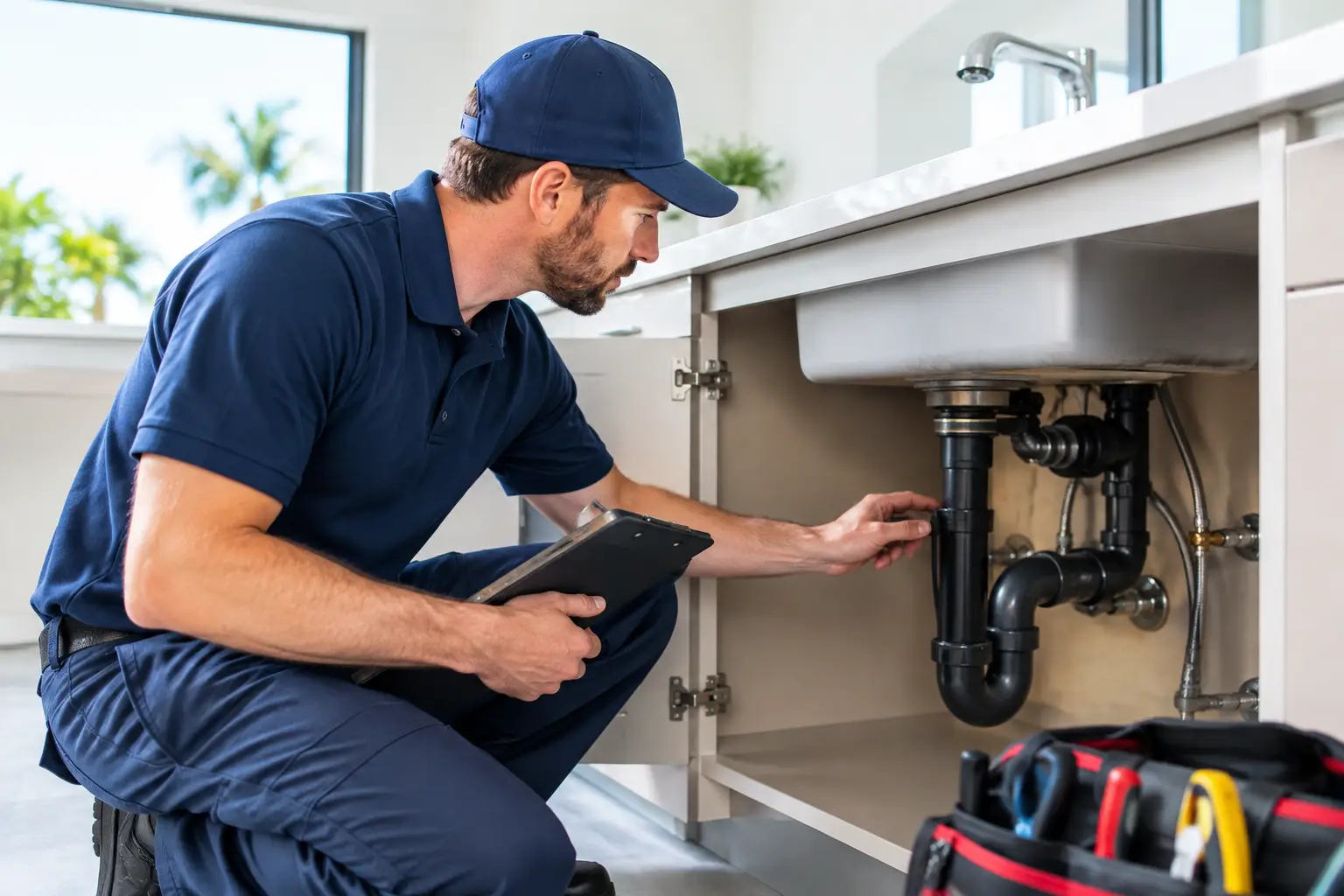
A slow leak behind a wall can waste water for months without leaving an obvious puddle. A sewer line can be partially blocked long before a backup reaches a fixture. Orange County plumbing inspections are designed to find these hidden problems while repair options are still simpler, cleaner, and more affordable.
For homeowners, landlords, and property managers, an inspection is not just a box to check before buying or selling. It is a practical look at the systems that protect the property every day: water lines, drain lines, fixtures, water heaters, gas piping, and the connections that keep them working together. The right inspection gives you clear information about what is working, what needs attention, and what can be planned for later.
What Orange County Plumbing Inspections Include
A professional plumbing inspection should be tailored to the property, its age, its layout, and the reason for the visit. A newer condominium with recurring drain odors needs a different evaluation than an older home with high water bills or a commercial building preparing for tenant improvements.
Most inspections begin with a visual review of accessible plumbing components. A licensed plumber checks exposed supply lines, shutoff valves, faucets, toilets, sinks, drains, water heaters, and visible piping for corrosion, leaks, improper connections, and signs of past water damage. Even a small amount of staining beneath a cabinet can point to a fitting that is beginning to fail.
The inspection also considers performance. Water pressure, drainage speed, fixture operation, and water heater condition can reveal concerns that are not visible from the outside. A toilet that continues to run, a shower with inconsistent pressure, or a sink that drains slowly may seem minor on its own. Together, those symptoms can indicate worn components, mineral buildup, venting concerns, or developing drain restrictions.
When the situation calls for it, camera inspection of a sewer or drain line provides a much clearer view than guesswork. This can help identify root intrusion, grease buildup, cracks, offsets, corrosion, or obstructions inside buried lines. Camera work is especially valuable for older properties, homes with mature landscaping, buildings with repeated drain problems, and properties being considered for purchase.
Problems an Inspection Can Find Before They Grow
Plumbing failures rarely begin as dramatic events. More often, they start with a loose connection, aging seal, worn valve, or restricted pipe. Catching these conditions early can help protect flooring, cabinetry, drywall, foundations, and indoor air quality.
Hidden leaks and slab leak warning signs
A leak under a sink is easy to spot. A leak beneath a concrete slab or inside a wall is not. Plumbers look for signs such as unexplained increases in water use, warm spots on flooring, damp carpet, mildew odors, low pressure, or the sound of water moving when all fixtures are off.
Not every higher water bill means there is a slab leak. Seasonal irrigation use, a running toilet, or changes in occupancy can also affect consumption. Still, an inspection helps narrow down the cause rather than paying for repairs based on assumptions. If a hidden leak is suspected, specialized leak detection may be the next sensible step.
Aging supply pipes and failing fittings
Pipes do not last forever, especially where hard water, corrosion, past repairs, or improper installation have affected the system. An inspection can identify visible corrosion, brittle pipe materials, leaking joints, poorly supported lines, and outdated connections before a pipe breaks.
This does not always mean a full repipe is immediately necessary. In some cases, replacing a section of damaged piping or correcting a few weak connections is the practical choice. The decision depends on the pipe material, the extent of deterioration, the property’s repair history, and whether renovation work is planned.
Drain and sewer line concerns
Slow drains are often treated with store-bought chemicals or repeated plunging. Those short-term efforts may not address the source of the restriction, and harsh chemicals can be hard on certain pipes and fixtures. An inspection can distinguish between a simple fixture-level clog and a larger issue in the branch line or main sewer.
For rental properties and commercial spaces, this distinction matters. A recurring drain issue can create tenant complaints, business interruptions, and avoidable repair costs. Finding the location and condition of the blockage allows the repair plan to match the actual problem.
Water heater safety and performance issues
A water heater should provide reliable hot water without leaking, rumbling, or creating excessive energy use. During an inspection, a plumber may assess the unit’s age, visible condition, fittings, venting where applicable, temperature and pressure relief components, and signs of corrosion or sediment buildup.
A water heater replacement is a significant decision, so it should be based on condition and performance rather than age alone. However, a unit near the end of its expected service life may deserve attention before it leaks and damages the surrounding area. Planning replacement also gives property owners more control over equipment selection and scheduling.
Gas line and fixture connections
Gas piping requires careful, licensed work. When an inspection involves gas appliances or gas lines, the plumber checks accessible connections and looks for conditions that may require repair, testing, or code-related correction. If you are adding a gas range, outdoor kitchen, fireplace, or other appliance, an inspection can help confirm whether the existing system is suitable for the planned load.
When to Schedule a Plumbing Inspection
The best time for an inspection depends on the property and your goals. A homebuyer may want one before finalizing a purchase, while a homeowner may schedule one before a kitchen or bathroom remodel. Landlords and property managers often benefit from routine inspections between tenants or as part of a preventive maintenance plan.
Consider scheduling an evaluation if you notice changing water pressure, repeated clogs, water stains, unusual odors near drains, discolored water, noisy pipes, higher water bills, or inconsistent hot water. These signs do not always point to a major repair, but they are worth investigating before they become more expensive.
For commercial properties, planned inspections can be especially useful before busy seasons, building improvements, occupancy changes, or equipment upgrades. Restaurants, hospitality properties, schools, offices, and retail facilities all rely on working plumbing to keep operations moving. A clear inspection record also helps facilities teams prioritize repairs and budget for future work.
What to Expect From a Professional Inspection
A good inspection should leave you with understandable answers, not a list of confusing technical terms. The plumber should explain where a concern was found, why it matters, what repair options are available, and whether the work is time-sensitive or can be monitored and planned.
Ask for straightforward pricing before authorizing recommended work. Some findings need prompt attention because they involve active leaks, damaged piping, or safety-related components. Others may be maintenance items that can be addressed over time. An honest recommendation separates those priorities instead of treating every imperfection as a crisis.
It is also wise to work with a contractor who is licensed, bonded, and insured. Plumbing systems affect health, property value, water use, and building function, so proper workmanship matters. Lenora Plumbing brings a family-owned approach to inspections, pairing careful diagnosis with fair prices and practical repair recommendations for Orange County properties.
Make Inspection Results Useful
An inspection has the most value when the findings lead to a sensible plan. Keep the report or notes with your property records, especially if camera footage, repair recommendations, or material concerns are documented. That information can help during renovations, future maintenance visits, insurance discussions, or a later sale.
If repairs are recommended, ask which work should come first and whether completing several related items at once could reduce repeat labor costs. On the other hand, do not approve a larger project simply because it is presented as convenient. The right scope depends on the condition of the system, your timeline, and the long-term plans for the property.
Plumbing is easy to overlook when everything appears to work. A thoughtful inspection gives you a chance to act before a small warning sign becomes damage behind a wall, beneath a floor, or deep in a sewer line. That is the kind of preventive care that helps a property stay comfortable, functional, and easier to manage.
Need help with a plumbing problem?
Speak directly with Lenora Plumbing about service for your Orange County home or business.
Call (949) 992-7410