
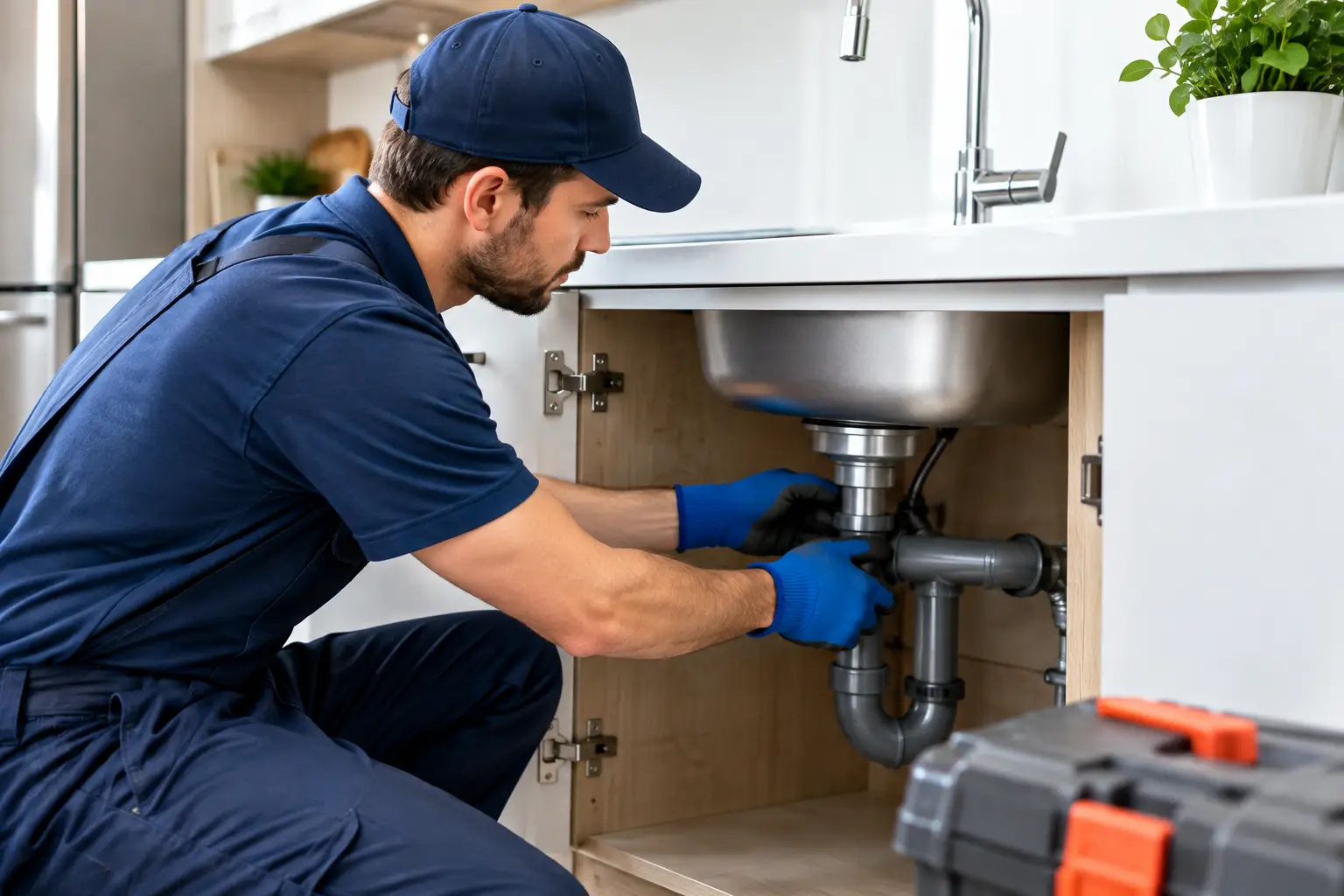
A slow kitchen sink rarely stays a small inconvenience for long. Water begins pooling around dishes, odors develop, and eventually the drain may stop moving water altogether. Knowing the top causes drain clogs helps homeowners, landlords, and property managers prevent avoidable backups before they interrupt a busy day or cause water damage.
Most clogs do not happen all at once. They form gradually as soap residue, grease, food particles, hair, and mineral buildup collect on the inside of a pipe. The location of the clog matters, too. A blockage in one bathroom sink is usually a local fixture issue, while multiple slow drains can point to a problem farther down the drain line or sewer connection.
Top Causes of Drain Clogs in Homes and Businesses
Grease, oil, and fats in kitchen drains
Cooking grease is one of the most common causes of kitchen drain problems. It may look harmless when poured down the sink as a warm liquid, but it cools inside the pipes. As it hardens, it creates a sticky coating that traps food scraps and soap residue.
Commercial kitchens and busy households can develop this buildup quickly. Even if hot water follows the grease, the water usually cools before it carries the material all the way through the plumbing system. Coffee grounds, rice, flour, and starchy foods can then attach to the grease layer and tighten the blockage.
The better approach is simple: let grease cool in a container, then dispose of it in the trash. Wipe oily pans with a paper towel before washing them. A garbage disposal can help manage small food particles, but it is not designed to process every leftover meal or eliminate grease from the drain.
Hair combined with soap buildup
Bathroom sink, shower, and tub clogs often begin with hair. Individual strands catch on a drain stopper, pipe joint, or existing residue. Over time, they form a web that holds soap scum, skin oils, and personal-care products.
This is especially common in showers used by several people, rental properties, and facilities with high restroom traffic. Long hair is more noticeable, but short hair can contribute just as effectively when it mixes with soap film.
A drain screen is an inexpensive first line of defense. Empty it regularly rather than letting hair collect until water starts draining slowly. If the stopper in a bathroom sink holds visible hair or residue, cleaning it before a clog develops can save a more involved repair later.
Food waste and improper garbage disposal use
Garbage disposals are useful, but they are not a substitute for the trash can. Fibrous materials such as celery stalks, onion skins, corn husks, and artichoke leaves can wrap around disposal components or gather in the drain trap. Eggshells, pasta, rice, and potato peels may seem soft, but they can swell or form a paste-like buildup farther down the line.
The amount of water used with the disposal also matters. Run cold water before turning the unit on, keep it running while food is processed, and continue for several seconds afterward. Cold water helps keep grease more solid so it can be captured and discarded instead of coating the pipes.
If the disposal hums but does not grind, do not keep resetting it or reach into it. Turn off power to the unit and have the cause checked safely. A jammed disposal and a clogged branch line can create similar symptoms but require different solutions.
Flushable wipes and items that should never be flushed
Toilets are designed for human waste and toilet paper. Products marketed as flushable do not always break down fast enough to move reliably through building drains and public sewer systems. Wipes can snag on rough pipe interiors, roots, or other debris and create a blockage that grows over time.
Paper towels, facial tissues, feminine hygiene products, cotton swabs, dental floss, and small objects also belong in the trash. Dental floss is particularly troublesome because it can wrap around other debris and create a net inside the plumbing.
In commercial restrooms, clear waste bins and visible reminders can reduce improper flushing. For families with young children, keeping toilet lids closed may prevent toys and household items from becoming an unexpected plumbing problem.
Mineral scale from hard water
Southern California water can contain minerals that gradually leave scale inside pipes and fixtures. This buildup is different from a sudden blockage caused by hair or food waste. It narrows the interior of the pipe over time, reducing water flow and giving soap residue and debris more surface area to cling to.
Scale may also appear around faucet aerators and showerheads as a white or chalky deposit. Cleaning those visible areas can improve fixture performance, but it will not necessarily address buildup farther inside the plumbing. The right solution depends on the pipe material, the age of the system, and whether mineral deposits are affecting isolated fixtures or the broader water system.
Tree roots in sewer lines
Roots naturally seek moisture. If a sewer line has a small crack, loose joint, or aging connection, nearby roots can enter and expand inside the pipe. Once inside, they catch toilet paper and waste, eventually restricting or blocking the line.
This issue is more likely when several drains slow down at the same time, toilets gurgle, or water backs up into a tub or shower when another fixture is used. Older homes may have aging sewer materials that are more vulnerable, but roots can affect newer systems if a connection is damaged.
A surface-level drain cleaner will not solve a root intrusion. Professional camera inspection can identify where the problem is located and whether cleaning, repair, or pipe replacement is the most durable path forward.
Aging, damaged, or improperly sloped pipes
Not every clog is caused by what goes into a drain. Pipes can sag, crack, corrode, shift, or lose proper slope over the years. When a drain line does not have enough pitch, wastewater moves too slowly and leaves solids behind. A low area in the line can repeatedly collect debris even after the pipe is cleared.
Older galvanized pipes may corrode from the inside, shrinking the passage available for water. Construction debris, poor past repairs, and pipe connections that have shifted due to soil movement can create similar recurring trouble. If the same drain clogs repeatedly despite careful use, the pipe itself deserves closer attention.
How to Prevent Common Drain Clogs
Good drain habits make a meaningful difference, but prevention is not the same in every part of a property. Kitchen drains need grease control. Bathroom drains benefit from hair screens and regular stopper cleaning. Toilets need clear rules about what can be flushed.
Use strainers in sinks and tubs, scrape plates before washing them, and throw grease, coffee grounds, and food scraps in the trash. Avoid relying on harsh chemical drain products as routine maintenance. These products may offer short-term relief for minor buildup, but repeated use can be hard on certain pipes and may not remove the underlying blockage. They can also make later repairs less safe if chemicals remain in standing water.
For rental and commercial properties, routine drain maintenance can be especially valuable because heavy use makes small problems develop faster. Keeping records of recurring locations, tenant reports, and previous repairs helps identify whether the issue is user-related or a sign of a larger line problem.
When a Slow Drain Needs Professional Attention
A plunger or simple cleaning of a sink stopper can address some minor fixture clogs. However, recurring slow drainage, foul odors, gurgling sounds, water appearing in another fixture, or several affected drains call for a professional diagnosis. Continuing to force water through a blocked system can lead to overflow and property damage.
A licensed plumber can determine whether the blockage is near the fixture, within a branch line, or in the main sewer line. Methods such as cable cleaning and camera inspection allow the issue to be addressed based on what is actually inside the pipe, rather than guessing.
For Orange County property owners, Lenora Plumbing provides practical drain and sewer diagnostics with fair pricing and workmanship focused on a lasting repair. A drain that is starting to slow down is usually easier to address before it becomes a complete blockage, so paying attention to the early signs protects both your plumbing system and your property.
Need help with a plumbing problem?
Speak directly with Lenora Plumbing about service for your Orange County home or business.
Call (949) 992-7410