
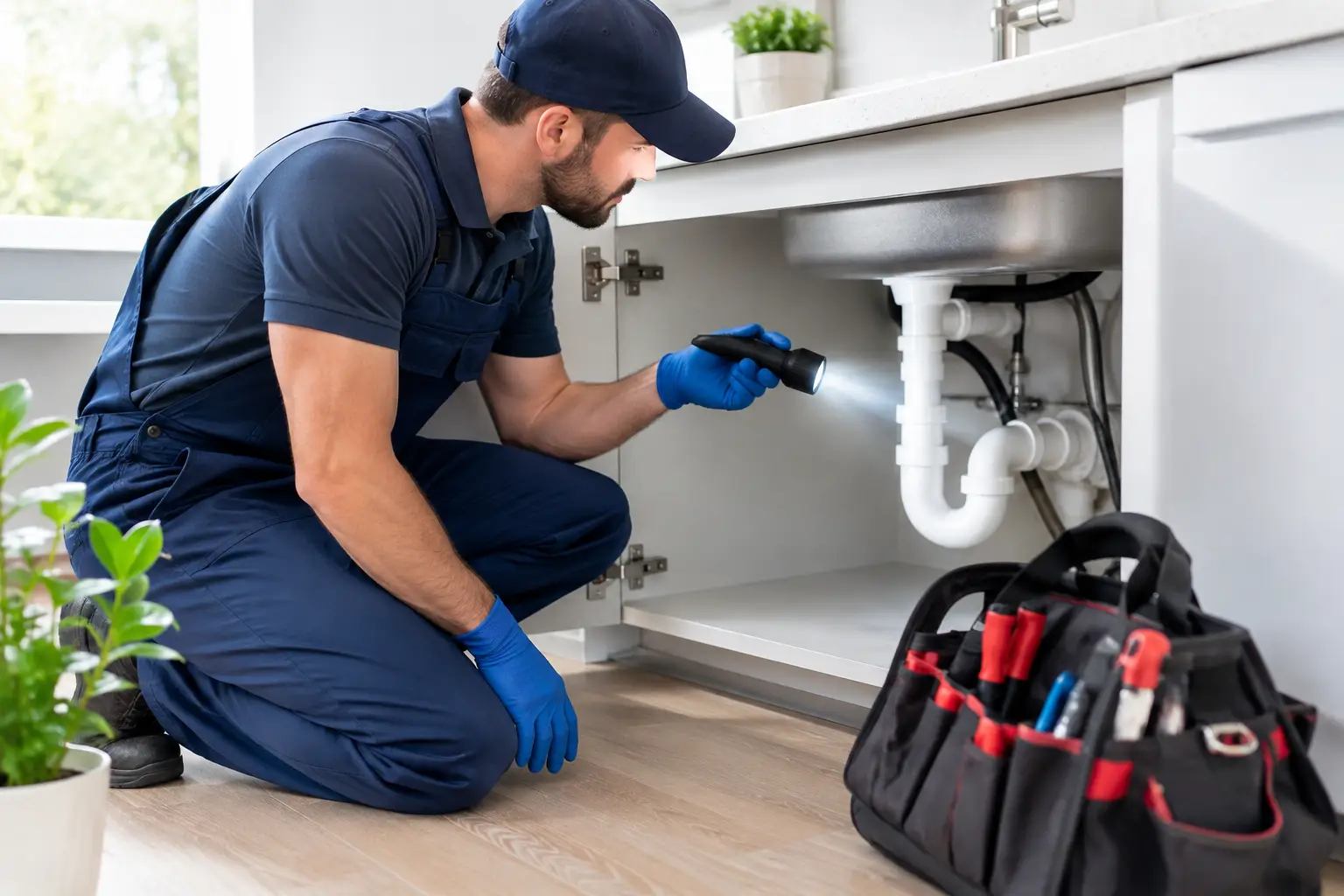
A sewer smell inside your home is not something to cover up with candles, air freshener, or an open window. The best top sewer odor solutions start by finding where the odor is entering the building. A dry drain trap may take seconds to correct, while a damaged sewer line or failed vent system needs professional diagnosis before it turns into a larger property problem.
That rotten-egg, musty, or sewage-like smell usually points to sewer gas escaping from a drain, toilet, pipe connection, or vent. Sewer gas can make a home unpleasant and may signal a plumbing condition that allows wastewater odors to bypass the barriers designed to contain them. For Orange County homeowners, landlords, and property managers, the right fix depends on the source, not simply the room where the smell is strongest.
What Causes Sewer Odors Indoors?
Your plumbing system has several built-in protections against sewer odors. Every fixture drain should have a water-filled P-trap. Drain pipes must be properly connected and sealed. Plumbing vents carry sewer gases safely above the roof while allowing drains to flow freely. When one of these components fails, odor can enter living spaces.
A smell that appears only in a guest bathroom, laundry room, garage, or floor drain often comes from an unused fixture. Water in the trap evaporates over time, leaving an open path from the drain line into the room. This is particularly common after a vacation, a remodel, or a period when a commercial suite has been vacant.
Odors that return after you refill a trap need a closer look. A partial drain blockage can cause waste to sit in a pipe. A cracked pipe, loose cleanout cap, worn toilet seal, or defective vent can also release odor. Outside, sewer smells near a yard, driveway, or building foundation may point to a damaged sewer lateral, a leaking cleanout, or wastewater backing up in a line.
Top Sewer Odor Solutions by Source
The most effective repair is based on what the plumbing system is doing. Start with the simpler possibilities, but do not keep trying home remedies if the smell persists or comes with drainage problems.
Refill dry P-traps
For a drain that is rarely used, pour water slowly into it for 15 to 30 seconds. This refills the P-trap and restores the water seal. Check sinks, showers, tubs, floor drains, and laundry standpipes, especially in secondary bathrooms and utility areas.
If the drain has not been used for months, a small amount of mineral oil added after the water can slow evaporation. This can be helpful for a fixture that remains unused, although regular use is the better long-term approach. If the odor returns within days, the trap may be leaking, siphoning dry, or connected incorrectly.
Clean organic buildup from drains
Kitchen, bathroom, and laundry drains can develop a foul smell from soap residue, grease, hair, food particles, and bacteria clinging to the pipe walls. This odor can resemble sewer gas but may be limited to one fixture.
Remove and clean the sink stopper if it has visible buildup. Flush the drain with hot water where appropriate for the fixture and piping, and use a drain-cleaning method suitable for your plumbing. Avoid relying on harsh chemical drain cleaners. They may not remove the buildup causing the odor, and repeated use can damage older pipes, seals, and fixtures.
When several drains smell bad or drain slowly, professional drain cleaning is usually the more dependable solution. It removes the blockage rather than masking the symptom.
Repair a leaking or loose toilet seal
A toilet relies on a wax ring or other approved seal to close the connection between the toilet base and the drain pipe. If that seal fails, sewer odor can escape around the toilet even when there is no obvious leak on the floor.
Watch for a smell concentrated at the toilet base, a toilet that rocks when used, discoloration around the flooring, or moisture nearby. Caulking alone is not a repair for a failed seal. The toilet should be removed, the flange inspected, and the proper seal installed so the connection is secure.
Inspect drain and vent piping
A sewer smell that appears after flushing a toilet, draining a tub, or running a washing machine may indicate a venting issue. A blocked, undersized, or damaged plumbing vent can disrupt the pressure inside drain pipes. That pressure change can pull water out of a nearby P-trap, leaving the drain open to sewer gas.
Vent issues are not always visible from inside the home. Leaves, nesting material, construction debris, and pipe damage can affect vent performance. A licensed plumber can assess the system, identify improper pipe connections, and determine whether the problem is a vent obstruction, a drain blockage, or both.
Seal damaged pipes and cleanouts
Drain pipes and cleanout fittings must be sealed to keep odors inside the system. A missing cleanout cap, a cracked fitting, or a separated pipe joint in a crawl space, wall, garage, or exterior area can create a persistent odor.
Do not tape over a suspected leaking sewer pipe as a permanent fix. Waste lines move, carry moisture, and need correct fittings to remain sanitary. Repairing the damaged section and confirming the line’s condition protects the building from odor as well as hidden moisture damage.
When the Sewer Line May Be the Problem
Indoor odors can sometimes be the first warning of a sewer line issue, particularly when they occur with sluggish drains, gurgling fixtures, recurring clogs, or wastewater appearing in a shower or tub. Tree roots, grease buildup, deteriorated pipe material, shifted joints, and debris can restrict a sewer line and allow odors to travel back toward the building.
Property owners should pay attention to patterns. One smelly sink may be a local drain issue. Multiple fixtures acting up at the same time suggest a larger drainage problem. For rental properties and commercial buildings, documenting when and where odors occur can help speed up diagnosis and reduce disruption for residents, staff, or customers.
A camera inspection gives a clear view inside the line without guessing. It can reveal whether cleaning is likely to solve the problem or whether a broken, offset, or deteriorated pipe needs repair. This is one of the top sewer odor solutions when odors keep returning despite basic drain maintenance.
What Not to Do When You Smell Sewer Gas
Air fresheners, scented cleaners, and bleach may temporarily change the smell, but they do not close an open drain path or repair a damaged pipe. Mixing cleaning products is also unsafe and can create irritating fumes.
Avoid repeatedly plunging or snaking a drain if you do not know what is causing the blockage. Aggressive tools can damage fixtures, push debris farther into the line, or affect older piping. Do not climb onto a roof to inspect a plumbing vent unless you are trained and equipped to do so safely.
If the odor is strong, recurring, or accompanied by slow drains, gurgling, leaks, or a sewage backup, arrange a professional inspection. A licensed, bonded, and insured plumbing contractor can test fixtures, inspect drains, evaluate venting, and recommend a repair based on the condition of the system.
Preventing Sewer Odors From Returning
Simple maintenance goes a long way. Run water regularly in every fixture, including unused showers and floor drains. Keep food grease, coffee grounds, wipes, and hygiene products out of drains. Address slow drainage before it becomes a complete blockage, and have aging sewer lines inspected when recurring clogs begin.
For homes with mature landscaping or older sewer piping, periodic evaluation is often less costly than waiting for a line failure. Lenora Plumbing helps Orange County property owners identify the real cause of sewer odors and make repairs with clear communication and fair pricing.
A clean-smelling home starts with a plumbing system that is properly sealed, vented, and flowing as it should. If the odor keeps coming back, treat it as useful information: your plumbing is asking for attention before a small repair becomes a bigger one.
Need help with a plumbing problem?
Speak directly with Lenora Plumbing about service for your Orange County home or business.
Call (949) 992-7410