
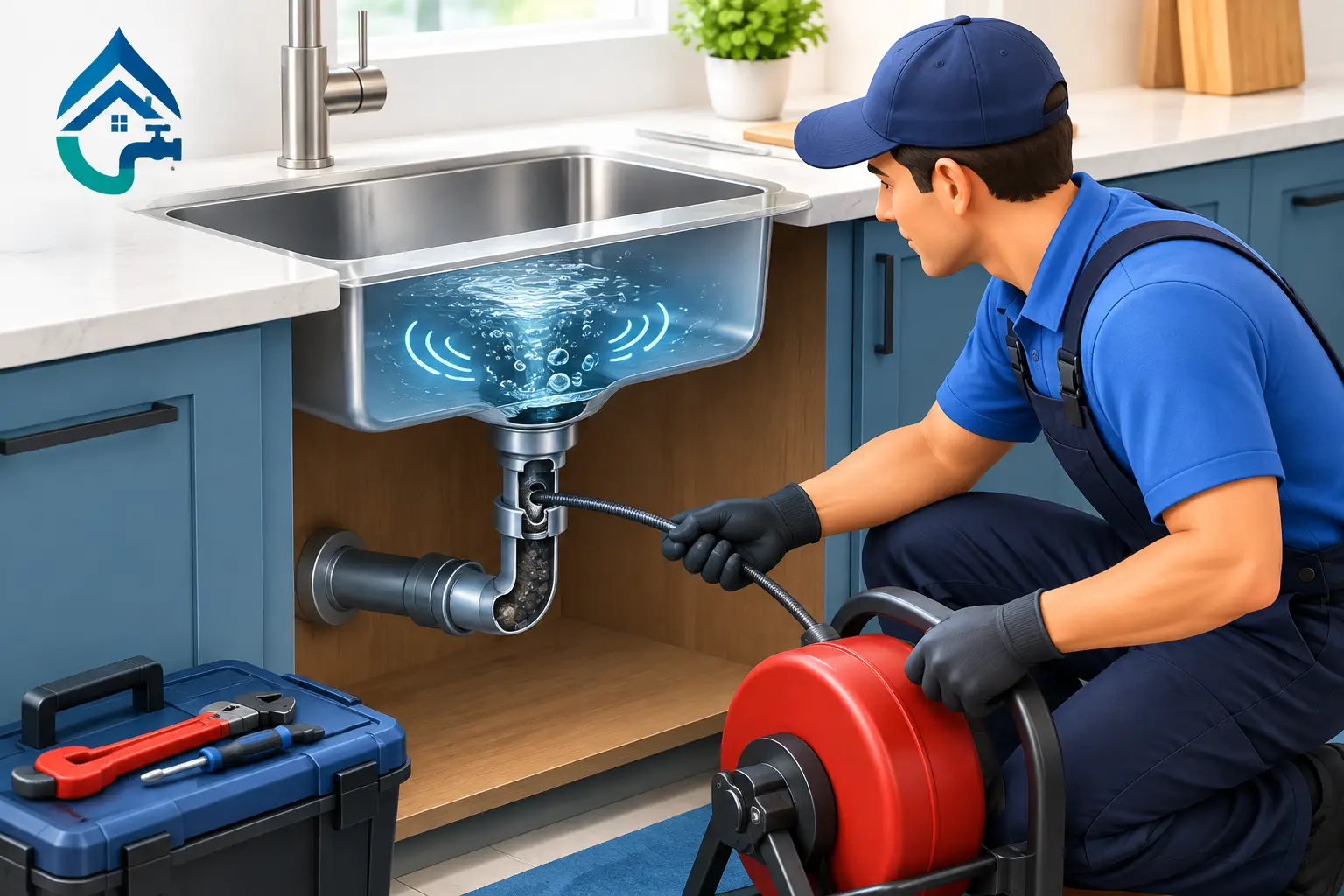
A drain that gurgles after you flush the toilet, run the dishwasher, or empty a sink is not simply making an odd noise. It is often a warning that air cannot move through the plumbing system correctly. Knowing how to fix gurgling drains starts with identifying whether the issue is a small fixture clog or a developing problem farther down the line.
A single noisy sink may be a manageable cleanup. Several fixtures gurgling at once, especially with slow drainage or water rising in a tub, deserve prompt professional attention. Acting early can help protect your Orange County home or rental property from a messy backup, odors, and avoidable pipe damage.
Why Drains Gurgle in the First Place
Your drain system needs both water and air to work properly. Water travels through the pipes, while plumbing vents allow air to enter and leave the system. That airflow keeps pressure balanced and helps wastewater move smoothly toward the sewer line.
When a clog, vent obstruction, or sewer-line issue interrupts that balance, air can get trapped behind moving water. The trapped air searches for a way out, creating bubbles and the familiar gurgling sound at a sink, shower, toilet, or floor drain.
The location and timing of the sound provide useful clues. A kitchen sink that gurgles only while draining may have food residue or grease in its branch line. A toilet that bubbles when the washing machine drains may indicate a restriction in a shared drain. When multiple fixtures make noise, the problem is more likely in a main sewer line or vent system than in one individual drain.
Common Causes of Gurgling Drains
A partial clog is the most common cause. Hair, soap film, grease, coffee grounds, wipes, and other debris build up inside the pipe over time. Water may still pass through, but the narrowed opening disrupts airflow and creates pressure changes.
Clogs in a plumbing vent can cause the same symptoms. Vents usually extend through the roof and may become blocked by leaves, nesting material, or other debris. Because roof access and vent diagnosis carry safety risks, this is generally a job for a licensed plumber rather than a homeowner project.
Main sewer line restrictions are more serious. Tree roots can grow into older sewer pipes through small joints or cracks. Scale buildup, shifting soil, damaged pipe sections, and items that should never have been flushed can also restrict the line. In some cases, the public sewer connection may be involved, but a proper inspection is needed before assigning responsibility.
For commercial properties, recurring gurgling near restrooms, break rooms, or floor drains can point to heavy use, grease accumulation, or a drainage system that needs routine maintenance. Property managers benefit from addressing these signs before they disrupt tenants or daily operations.
How to Fix Gurgling Drains Safely
Start with the fixture that seems to be making the noise. Remove visible hair or debris from a sink, shower, or tub drain. If the fixture has a stopper, take it out and clean the buildup around it. This simple step can restore normal drainage when the obstruction is close to the opening.
For a sink, check the P-trap beneath the cabinet only if it is accessible and you are comfortable doing so. Place a bucket underneath, carefully remove the trap, and clear any debris. Reinstall it securely and run water slowly to check for leaks. Do not force old fittings that look corroded or brittle.
A plunger can help dislodge a minor clog. Use a clean sink plunger for sinks and tubs, and a flange plunger for toilets. Add enough water to cover the plunger cup, seal the overflow opening on a sink or tub if possible, then use several controlled plunges. If the drain begins to flow normally and the noise stops, flush it with hot tap water.
A hand-crank drain snake may help with a simple clog in a sink, tub, or shower line. Feed the cable slowly and avoid excessive force. Pushing hard can damage a fixture trap, scratch a porcelain surface, or pack the blockage farther into the pipe. A toilet auger is the safer choice for a toilet because it is designed to protect the bowl.
Avoid relying on harsh chemical drain cleaners. They often fail to remove the full blockage, and their heat or corrosive ingredients can damage older pipes, weaken seals, and create a hazard for anyone who later opens the line. They are especially risky if another drain product has already been used.
Signs the Problem Is Beyond a DIY Fix
Stop trying to clear the drain yourself when the symptoms affect more than one fixture. A professional diagnosis is the right next step if your toilet bubbles when a nearby sink drains, your tub fills when you run the washing machine, or wastewater appears at a floor drain.
Other warning signs include sewage odors, frequent clogs that return after plunging, unusually slow drainage throughout the building, and water backing up into a shower or tub. These conditions often point to a main-line restriction, not a simple clog at the fixture.
Do not keep running water to test a suspected main sewer blockage. Extra water can turn a contained issue into a backup inside the property. Keep family members, tenants, or staff from using the affected fixtures until the source has been evaluated.
A qualified plumber can use professional drain-cleaning equipment and, when needed, a sewer camera inspection to see what is actually inside the line. Camera footage can distinguish between grease buildup, roots, broken pipe, a collapsed section, or another obstruction. That matters because the right repair depends on the cause. Clearing roots may restore flow temporarily, while a damaged pipe may need a more durable repair.
Prevent Gurgling Drains From Returning
Good drain habits reduce the chance of future noise and clogs. In kitchens, scrape food scraps into the trash and avoid putting grease, oils, or fibrous food waste down the sink. Even if a garbage disposal is installed, it does not make grease or large food particles safe for the drain.
In bathrooms, use a hair catcher in showers and tubs, and remove collected hair regularly. Only toilet paper and human waste should be flushed. Wipes labeled flushable, paper towels, cotton products, dental floss, and hygiene items can create stubborn blockages in residential and commercial sewer lines.
Older homes, mature landscaping, and properties with a history of drain trouble may need periodic professional cleaning or inspection. The ideal schedule depends on the pipe material, tree-root activity, building use, and prior issues. Preventive service is often less disruptive than waiting for drainage to fail.
Lenora Plumbing provides licensed, bonded, and insured drain and sewer diagnostics for homeowners, landlords, and commercial property teams who need a clear answer and a durable repair plan. With C36 License #1100153, the focus is on identifying the real cause, explaining the options plainly, and completing the work at fair prices.
A gurgling drain is your plumbing system asking for attention. Treat the first unusual sound as a chance to correct a small restriction before it becomes a larger property problem.
Need help with a plumbing problem?
Speak directly with Lenora Plumbing about service for your Orange County home or business.
Call (949) 992-7410