
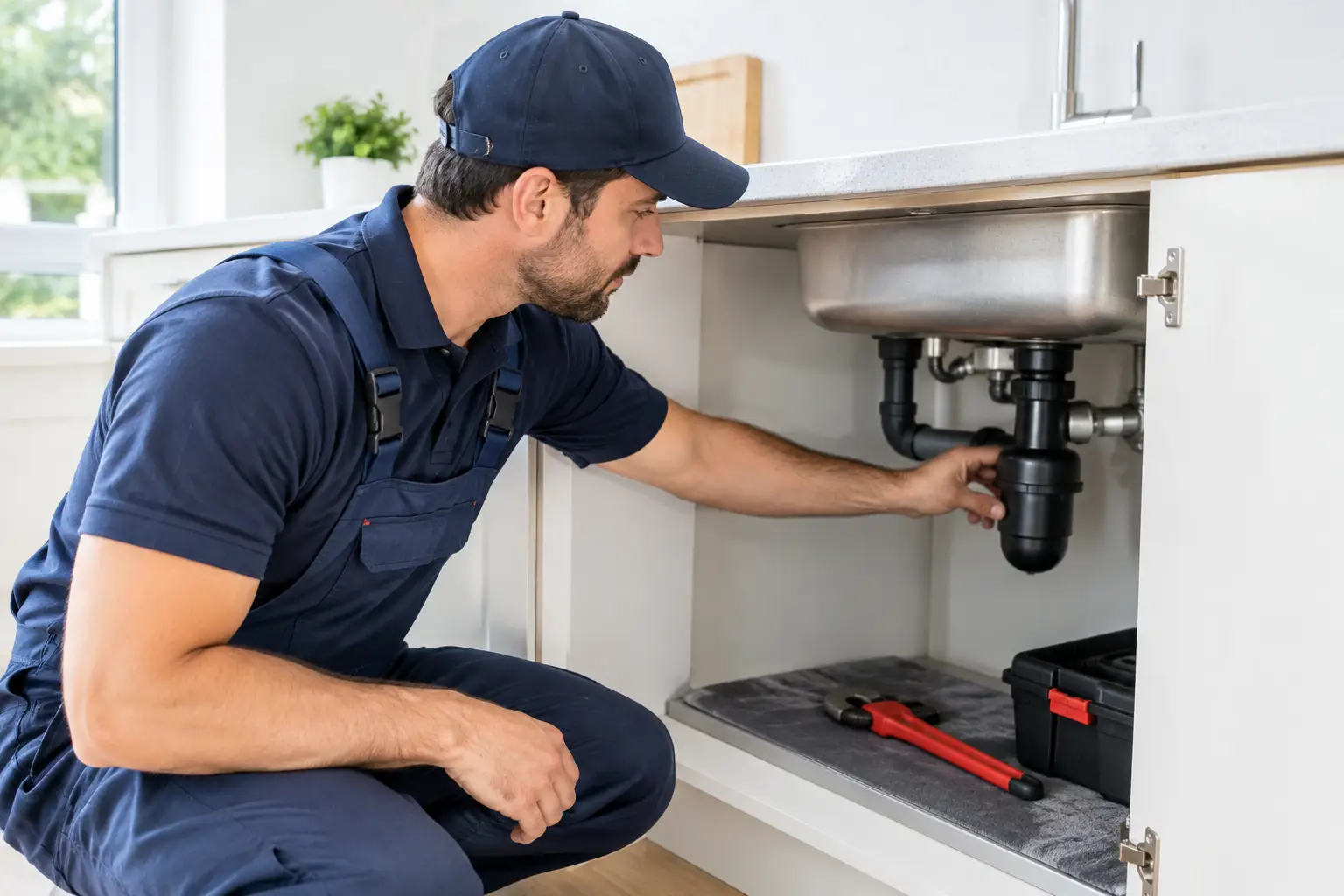
A slow kitchen sink after dinner or a shower that leaves water around your ankles rarely starts as a major plumbing problem. More often, it starts with small amounts of grease, hair, soap residue, and food debris collecting over time. The best drain maintenance habits are simple, but they need to be consistent. A few minutes of care can help protect your pipes, prevent unpleasant odors, and reduce the chance of a disruptive backup.
For Orange County homeowners, landlords, and property managers, drain care also matters because a hidden blockage can affect more than one fixture. Water that drains slowly in several locations may point to a larger issue in the branch line or sewer line. Knowing what you can prevent at home and when to schedule a professional inspection helps protect your property and your budget.
Why Drains Clog Even When You Are Careful
Every drain carries water, but each one collects a different kind of buildup. Kitchen drains commonly collect cooking grease, fats, oils, coffee grounds, and food particles. Bathroom drains catch hair, toothpaste, soap film, and personal care products. Toilets can clog when paper products or household items that do not break down in water enter the line.
The problem is rarely one item by itself. Grease may coat the inside of a kitchen pipe, then food debris sticks to that coating. Hair can catch on soap buildup inside a bathroom drain, creating a thick mat that narrows the pipe. As the opening gets smaller, drainage slows and odors can develop.
Older homes may have additional concerns. Aging pipes, mineral deposits, tree roots, shifted pipe connections, or corrosion can make normal household debris more likely to collect. Good daily habits reduce what enters the system, but they cannot correct a damaged or deteriorating line. That distinction matters when a clog keeps returning.
Best Drain Maintenance Habits for Daily Use
The most reliable maintenance plan is not complicated. It is built around keeping the wrong materials out of the drain before they have a chance to create buildup.
Keep grease and food scraps out of the kitchen sink
Never pour cooking oil, bacon grease, meat drippings, butter, or creamy sauces into the sink. Even if grease looks liquid when it is warm, it can cool and harden farther down the pipe. Let it cool in a container, then dispose of it in the trash according to local guidelines.
Scrape plates and pans into the trash before rinsing them. A garbage disposal is useful for small bits left on dishes, but it is not designed to process large quantities of food waste. Fibrous foods such as celery, onion skins, corn husks, artichoke leaves, and potato peels can tangle or create a paste-like blockage. Coffee grounds and eggshells are also better placed in the trash or compost, not down the disposal.
Use drain screens where hair is a problem
A simple mesh screen in the shower, tub, and bathroom sink is one of the most effective ways to prevent clogs. Remove the collected hair after each shower or every few uses. It is much easier to throw hair away at the surface than to remove it after it has mixed with soap residue inside the drain.
If a bathroom sink is used for shaving, wipe stubble into the trash before rinsing the basin. Small amounts may seem harmless, but repeated buildup can create a stubborn clog over time.
Treat the toilet as a toilet, not a trash can
Toilet paper is made to break down in water. Many other products are not, even when packaging suggests they are flushable. Wipes, paper towels, facial tissues, cotton swabs, dental floss, feminine hygiene products, diapers, and small plastic items can catch in the line and create a blockage.
For households with young children, keep the toilet lid closed when not in use and explain what belongs in the toilet. A small toy or personal item can create a clog that a plunger will not solve.
Run water correctly with the garbage disposal
When using a disposal, run cold water before turning it on, keep the water running while it operates, and allow it to run for a short time after the grinding stops. Cold water helps small particles move through the pipe instead of sticking together.
Avoid using chemical drain cleaners in a garbage disposal. They can damage components, create harmful splashes, and make later repairs more difficult for the technician.
A Simple Monthly Drain Care Routine
Daily habits do most of the work, but a brief monthly check can catch small problems before they become more expensive repairs. Walk through the home and run water in sinks, tubs, showers, and floor drains that are not used regularly. This helps refill the trap, the curved section of pipe designed to hold water and block sewer odors from entering the room.
For active kitchen and bathroom drains, flush with hot tap water for a minute or two. Hot tap water can help move light soap and grease residue, but avoid pouring boiling water into plumbing. Very hot water can be hard on some pipe materials, seals, and older fixtures.
Clean sink stoppers, pop-up assemblies, and drain screens while you are doing routine bathroom cleaning. These parts often collect hair, toothpaste, and soap before you notice a slowdown. If you see buildup under a sink stopper, remove it carefully and clean it over a trash can.
Enzyme-based drain maintenance products may be useful for some homes when used exactly as directed. They are generally gentler than harsh chemical cleaners, but they are not a fix for a complete blockage, damaged pipe, or tree-root intrusion. If a drain is already backed up, adding product can leave standing water and chemicals in the pipe without solving the cause.
Give Different Drains the Care They Need
Laundry and utility drains deserve attention because lint can collect in the line. Clean your washing machine lint trap if it has one, and avoid washing large amounts of loose debris, pet bedding, or heavily soiled work rags without shaking them out first. Property owners should also watch for slow drainage around laundry areas, since repeated overflow can damage flooring and walls.
Outdoor drains and patio area drains need seasonal attention, especially after windy weather. Leaves, mulch, dirt, and landscaping debris can block grates and stop water from draining as intended. Clear visible debris by hand and make sure downspouts direct water away from the foundation.
For commercial properties, restaurants, offices, schools, and multifamily buildings, drain care requires a more structured plan. Grease-producing kitchens, high-use restrooms, shared laundry rooms, and janitorial sinks experience more volume than a typical home. Regular cleaning schedules and clear tenant or employee guidelines can prevent avoidable clogs and reduce interruptions to normal operations.
Signs a Drain Needs Professional Attention
A plunger may clear a minor toilet or sink clog, but repeated slow drains should not be ignored. If water drains slowly again soon after you clear it, the blockage may be deeper in the line. Repeated DIY attempts can push debris farther into the pipe or mask a larger problem.
Schedule a professional diagnosis if you notice any of these signs:
- Several drains are slow at the same time.
- Water backs up in a tub or shower when another fixture is used.
- You smell persistent sewer odors near drains or outside the property.
- The toilet bubbles or gurgles when a sink, shower, or washing machine drains.
- A clog returns despite careful use and routine cleaning.
These symptoms can indicate a blockage beyond a single fixture drain. A licensed plumber can identify whether the issue is buildup, a damaged section of pipe, root intrusion, or a sewer line concern. Professional drain cleaning and camera inspection are often more effective and safer for the plumbing system than repeated use of store-bought chemicals.
Make Prevention Part of Your Property Care Plan
The best drain maintenance habits work because they focus on prevention rather than a quick reaction after water stops moving. Keep grease, food scraps, hair, wipes, and non-flushable items out of the plumbing system. Use screens, clean fixtures regularly, and pay attention to changes in how water drains.
If your home or property has recurring clogs, Lenora Plumbing can provide a clear diagnosis and practical recommendations based on the condition of your pipes. A trusted, licensed plumbing professional can help you address the source of the problem so your drains can keep doing their job quietly in the background.
Need help with a plumbing problem?
Speak directly with Lenora Plumbing about service for your Orange County home or business.
Call (949) 992-7410